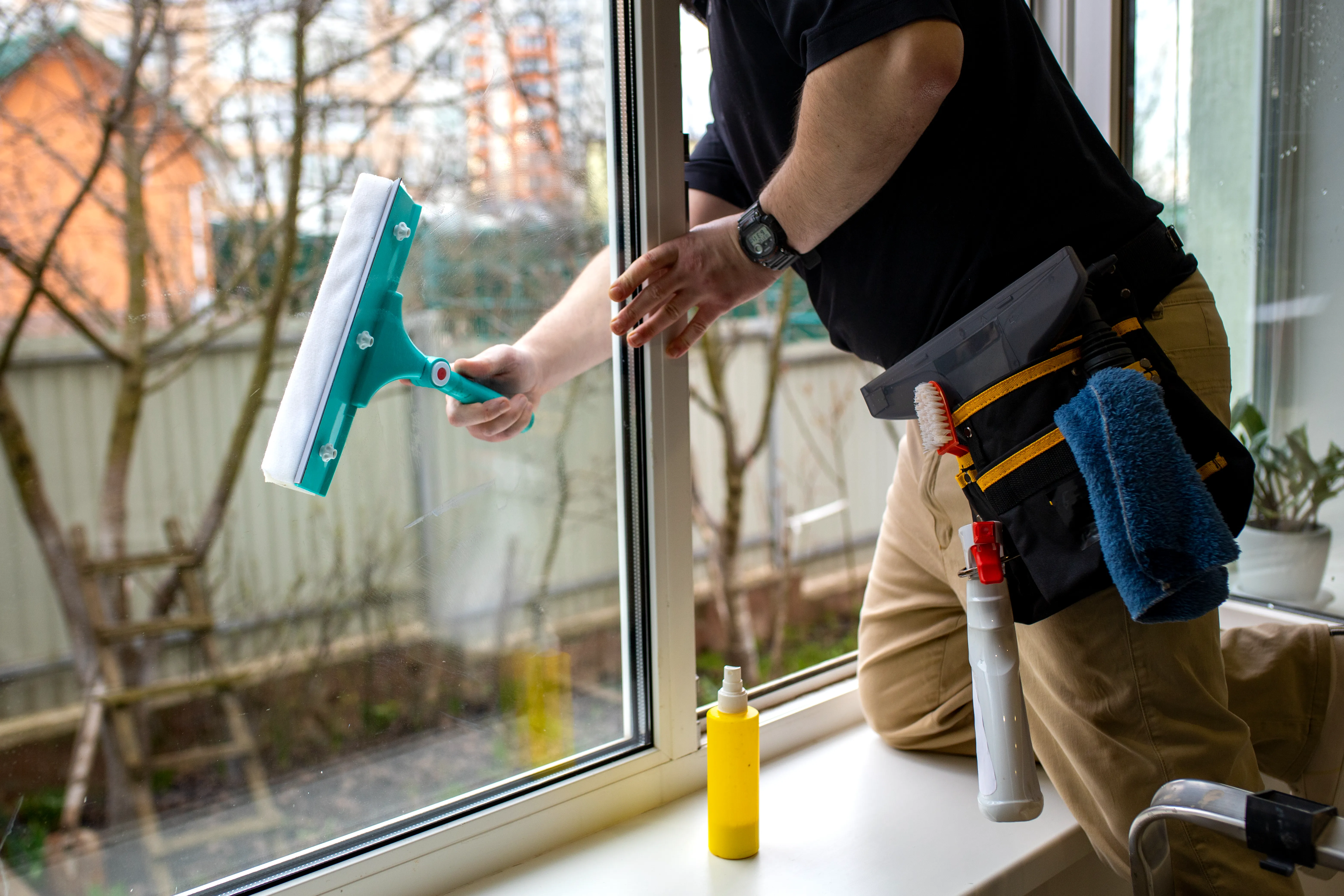
You did everything right. You set aside a Saturday morning, grabbed the window cleaner, worked your way around every pane, and stood back feeling genuinely pleased with yourself. Two weeks later the glass looks like you never bothered. It's one of the most quietly infuriating things about home maintenance, and the reason it keeps happening is almost never what people think.
You're Probably Using the Wrong Product Without Realising It
Most people reach for whatever glass cleaner is under the sink, spray generously, and wipe. The problem is that many off-the-shelf products contain additives, surfactants, and mild solvents that don't fully rinse away. What's left behind is an invisible film on the glass surface. That film is slightly tacky. Dust, pollen, and traffic pollution find it irresistible, and within days you're looking at a haze that wasn't there before you cleaned.
Window cleaning has become increasingly popular as a professional service for exactly this reason, with operators like Pure Window Cleaning using purified water systems and purpose-built equipment that leave no residue behind, which is a big part of why professional results tend to outlast a DIY clean by a considerable margin.
You Cleaned the Glass But Not the Frames
Here's the part that catches most people out. Rain doesn't hit clean glass and run off clean. It hits the frame, the sill, and the track first, picks up accumulated grime, and deposits it onto the glass on the way down. So even if the pane itself is spotless, the next shower of rain effectively re-dirties it from the outside in.
Professionals clean the whole window as a system, including frames, sills, and any surrounding surfaces that can act as a source of contamination. Cleaning the glass in isolation and ignoring everything around it is the single biggest reason DIY results don't last.
Hard Water Is Working Against You Every Day
If you're in a hard water area, which covers most of England, the water coming out of your tap contains calcium and magnesium minerals. Every time rain hits your windows, every time you clean them with tap water, those minerals are left behind when the water evaporates. Over time they bond to the glass itself rather than just sitting on the surface, creating a cloudy, etched look that standard cleaning can't shift.
Window cleaning in Durham has seen growing interest in pure water systems for exactly this reason, with services like Linden Cleaning Services using water-fed pole technology that delivers demineralised water to the glass, leaving nothing behind when it dries. The difference in how long the results last compared to a tap water clean is significant.
So Why Do Professional Cleans Actually Last Longer?
The honest answer is that windows will always get dirty again. The question is whether they stay clean for two weeks or two months. The Federation of Window Cleaners, the UK trade body for the industry established in 1947, sets out clear standards around technique, equipment, and training for exactly this reason. The gap between a professional result and a DIY one isn't effort, it's method, the right water, the right conditions, and cleaning the full window rather than just the glass.