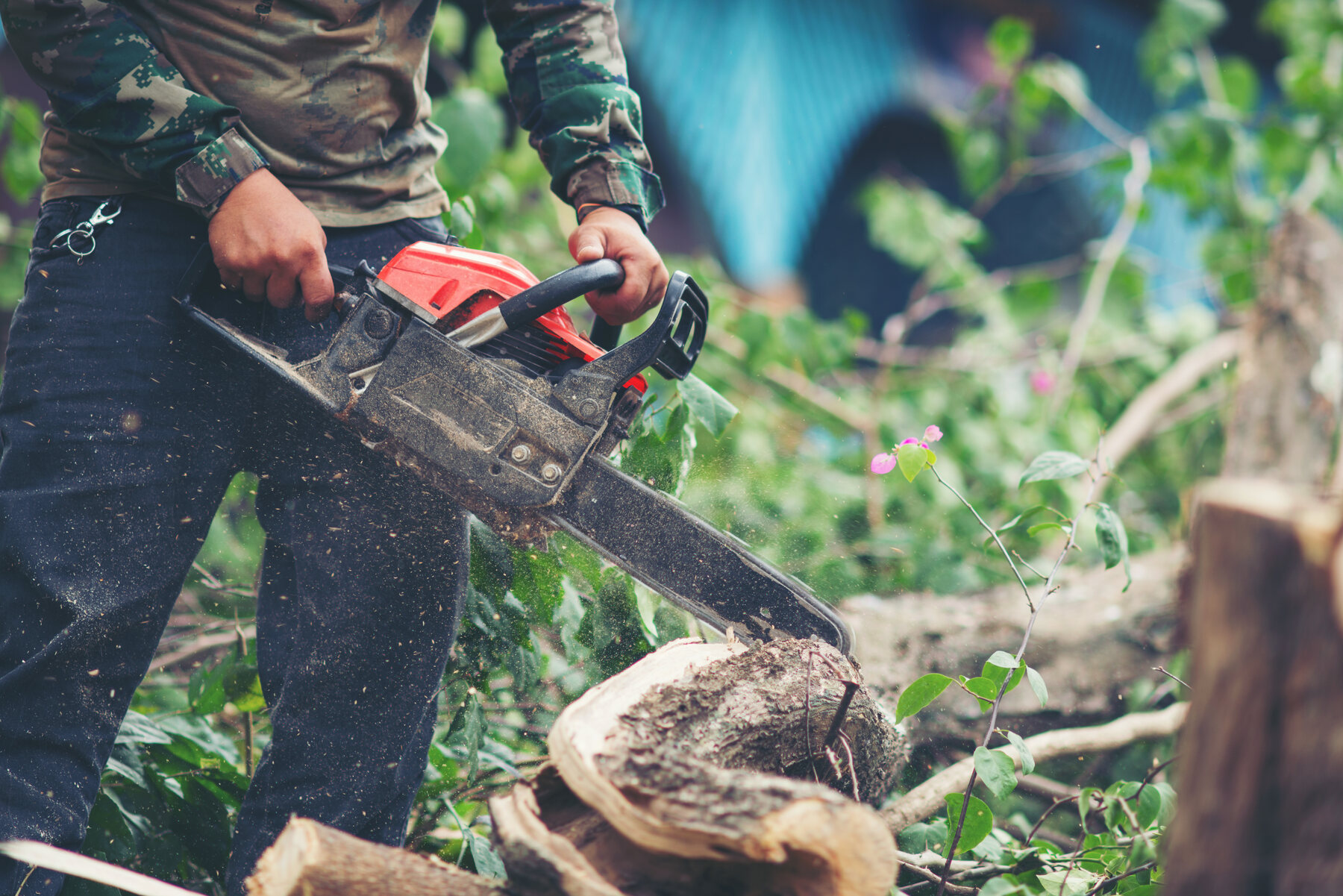
Trees can spend years growing in a garden without causing any problems, which makes it easy to forget they need attention. However, branches become damaged, diseases can develop and growing canopies may eventually affect nearby buildings or outdoor spaces. Leaving everything until a tree becomes an obvious problem can make the work more complicated. Regular maintenance helps homeowners keep track of changes and deal with smaller issues before they develop further.
Trees Need Attention Even When They Look Healthy
A tree does not have to look seriously damaged to benefit from being checked. Changes can happen gradually, making them difficult to notice if you only look at the tree occasionally. Thinning leaves, dead branches, discoloured foliage and unusual growth can all indicate that something is affecting its condition.
The Royal Botanic Gardens, Kew provides a useful guide to checking tree health, including signs of stress, disease and possible structural problems. Getting familiar with what is normal for the trees in your garden makes it easier to spot when something changes.
Small Problems Can Become Bigger Ones
Dead or damaged branches are not always an immediate emergency, but they should not be ignored. Over time, branches can deteriorate further, while disease and poor growing conditions may affect more of the tree. After periods of strong wind, it is particularly sensible to check for broken limbs or changes to the tree's condition.
Regular pruning can help remove damaged or diseased growth and maintain a suitable shape. However, pruning needs to be carried out carefully. Removing too much can cause additional stress or encourage unwanted growth. Bartlett Tree Experts provides information on professional tree care, including pruning, disease management and assessing storm damage.
Maintenance Is About More Than Cutting Branches
It is easy to assume tree maintenance simply means cutting back branches when they become too large. In reality, looking after a tree can involve checking its overall condition, monitoring its growth and considering the space around it. Soil compaction, poor drainage, drought and damage to the roots can all affect how well a tree grows.
The right maintenance will depend on the species, age, location and condition of the tree. Some may need occasional pruning, while others benefit more from monitoring and improving their growing conditions. The Arboricultural Association offers guidance for tree owners and helps people find professional arborists when specialist advice or work is needed.
Knowing When to Bring in a Professional
There is a difference between keeping an eye on a tree and carrying out work that requires specialist knowledge or equipment. Removing large branches, reducing a mature canopy or dealing with damaged trees can be dangerous without the right training and experience.
If a tree needs more than minor attention, it is worth getting advice from a qualified professional. Quill Hall Tree Surgeons provide tree surgery services, including pruning and other tree maintenance work, helping property owners deal with trees that need attention.
It is also sensible to check whether any restrictions apply before arranging work. Trees covered by a Tree Preservation Order or located in a conservation area may require permission before certain work can go ahead.
Make Tree Checks Part of Your Garden Routine
You do not need to become an expert in tree care to take a more active interest in the condition of your garden. A few simple checks throughout the year can help you notice changes and decide whether further advice is needed.
- Look for dead, broken or hanging branches.
- Check for unusual changes in leaf colour or growth.
- Look for cracks, cavities or visible damage to the trunk.
- Watch for fungi growing on or around the tree.
- Check for signs of damage around exposed roots.
- Reassess trees after particularly strong winds.
The RHS guide to tree pruning explains how different trees may need different approaches and why timing and technique matter.
Regular maintenance is not about constantly cutting trees back or removing anything that looks slightly untidy. It is about understanding what your trees need, recognising when something changes and getting the right help before a manageable issue becomes a more serious concern.