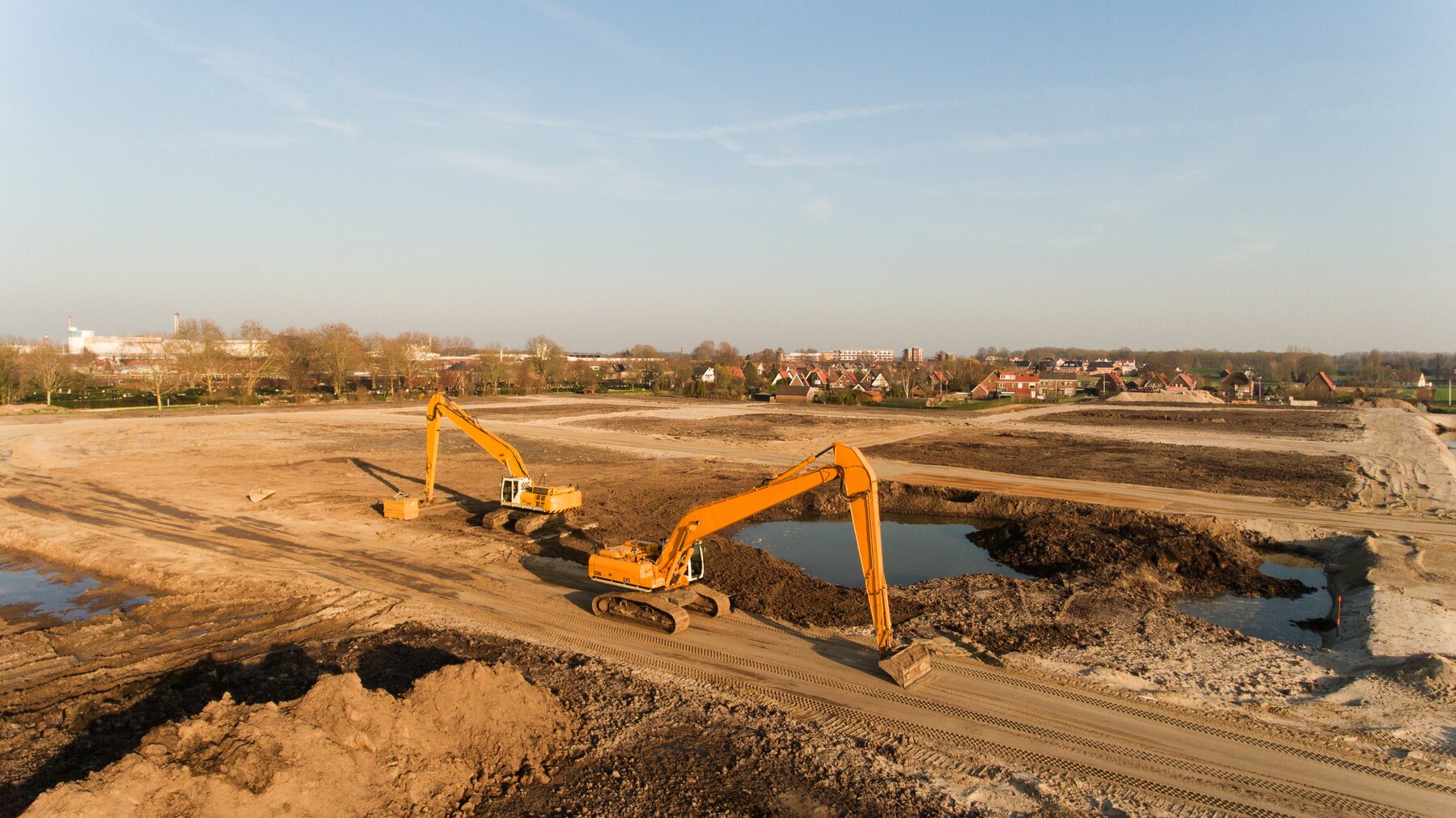
Construction projects can put considerable pressure on the ground beneath them. Heavy machinery, delivery vehicles and repeated foot traffic can quickly turn a firm surface into muddy, uneven terrain, particularly during wet weather. Without suitable preparation, this can lead to damaged land, difficult working conditions and costly delays.
Ground protection is an important part of planning a construction project. Choosing suitable materials and methods before work begins can help maintain access, protect surrounding areas and keep operations running efficiently.
The Impact of Heavy Machinery on the Ground
Excavators, cranes and other heavy plant equipment place substantial loads on the surfaces they travel and operate on. On softer ground, this can cause rutting, soil compaction and surface damage that may take considerable time and expense to put right.
These problems are not limited to the immediate working area. Access routes across fields, landscaped areas and undeveloped land can also suffer damage when vehicles repeatedly pass over the same ground.
The UK Government's guidance on the sustainable use of soil on construction sites highlights the importance of protecting soil resources throughout construction. Planning machinery movements and identifying suitable storage areas can help reduce unnecessary disturbance and make reinstatement easier once the project is complete.
Creating Safe and Reliable Site Access
One of the biggest challenges on a construction site is ensuring vehicles and machinery can reach the areas where they are needed. Temporary access roads and working platforms provide a practical way to manage this, especially where permanent roads are unavailable or unsuitable.
Ground protection mats can create a more stable surface for construction traffic. They help distribute loads, reduce direct contact between machinery and vulnerable ground, and provide routes across areas that might otherwise become difficult to navigate.
Exploring Ground Protection Solutions from GJ Mats
Different projects require different approaches to temporary access. GJ Mats provides timber mats and ground protection solutions for applications where suitable access across challenging terrain is essential. Comparing available products helps contractors identify options that suit their machinery, ground conditions and project requirements.
Reducing Delays and Unnecessary Costs
Poor ground conditions can affect productivity in several ways. Vehicles may struggle to reach work areas, deliveries can be delayed, and machinery may need recovering if it becomes stuck. Damaged access routes can also require additional labour and materials to restore them.
Planning ground protection in advance helps reduce the likelihood of these issues. Contractors should consider machinery weights, the condition of the ground, expected rainfall and how frequently vehicles will use each route.
Choosing Suitable Equipment Through Sunbelt Rentals
Access requirements can vary considerably between construction, infrastructure and landscaping projects. Sunbelt Rentals offers equipment for a wide range of construction applications, making it a useful starting point for businesses reviewing their site equipment requirements. Selecting suitable equipment before work begins can help reduce disruption and keep operations organised.
Why Reusable Ground Mats Can Be a Practical Investment
For contractors who regularly work on challenging terrain, purchasing reusable ground protection mats may be worth considering. Rather than sourcing temporary protection for every project, businesses can retain suitable mats and use them across multiple jobs, provided they are maintained and remain fit for purpose.
Purchasing Bog Mats from Birketts
Birketts Bogmats supplies hardwood timber bog mats for construction, civil engineering and other applications where ground protection is required. For contractors undertaking repeated projects, having access to suitable timber mats can help with planning temporary routes and working areas while providing a reusable option for future work.
The right choice will depend on the weight of the machinery involved, the condition of the terrain and the intended application. Assessing these factors before purchasing helps ensure the mats are appropriate for the work being undertaken.
Considering the Environmental Impact
Ground protection is not just about keeping machinery moving. It can also help limit the impact of construction on surrounding land, particularly where projects take place near agricultural areas, established landscapes or sensitive habitats.
Avoiding unnecessary soil compaction and keeping vehicle movements within designated routes can help preserve the condition of the site. Reusable materials may also reduce the need to source replacements for every project, depending on their lifespan and how they are managed.
Finding Additional Construction Equipment with Speedy Hire
Contractors reviewing their wider site requirements can explore Speedy Hire for equipment across construction and industrial applications. Considering access equipment alongside other project needs can help businesses prepare more effectively before work begins.
Making Ground Protection Part of the Plan
Ground protection is most effective when it is considered at the beginning of a project rather than introduced after problems develop. Assessing access requirements, identifying vulnerable areas and selecting suitable materials can help improve site safety, minimise disruption and control costs.
Whether a project involves a small construction site or a major infrastructure development, protecting the ground beneath the work is a practical step towards keeping the project on track.