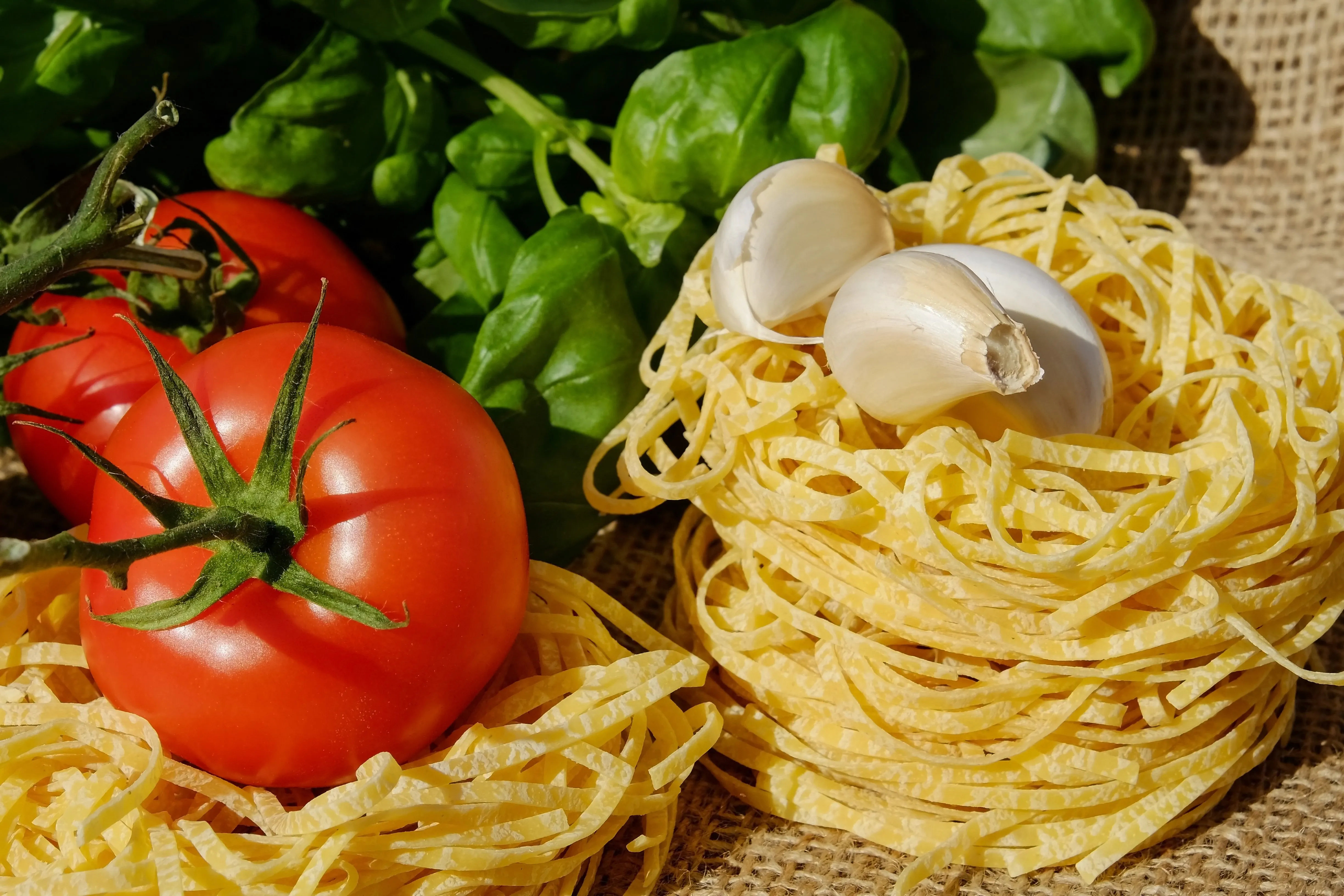
We've all heard it a hundred times: "eat a balanced diet." But between fad diets trending on social media, contradictory headlines, and the sheer pace of everyday life, it can feel easier said than done. The truth is, eating well doesn't have to be complicated and it doesn't mean giving up everything you enjoy. It's simply about giving your body what it needs, most of the time.
Here's a no-nonsense look at what a balanced diet actually means and why it genuinely matters.
What Does "Balanced" Actually Mean?
A healthy, balanced diet means eating a wide variety of foods in the right proportions, and consuming the right amount to achieve and maintain a healthy body weight. That's it. No extreme restriction, no cutting out entire food groups overnight.
According to the NHS Eatwell Guide, a balanced diet should include:
- Fruit and vegetables — aim for at least 5 portions a day
- Starchy carbohydrates — bread, rice, pasta and potatoes (wholegrain where possible)
- Protein — meat, fish, eggs, beans and pulses
- Dairy or dairy alternatives — for calcium and bone health
- Healthy fats — small amounts of unsaturated oils and spreads
The key word here is variety. No single food gives you everything your body needs, and that's the whole point of mixing it up.
Why It Actually Matters
This isn't just about fitting into your jeans. Eating healthily can reduce the risk of serious diseases like heart disease, stroke, type 2 diabetes and some types of cancer.
Almost two-thirds of adults in England are overweight, with over a quarter classed as obese, and poor diet is one of the biggest contributing factors. The good news? Healthy eating isn't about obsessing over individual foods. It's about thinking about your whole diet and eating a variety of foods in the right amounts to give your body what it needs.
Beyond disease prevention, a balanced diet also supports your energy levels, mood, sleep, and immune system. It's one of the few things where small, consistent choices genuinely add up over time.
The Bits Most People Get Wrong
Fruit and veg: we're falling short. Only around 17% of adults currently meet the 5-a-day recommendation. Frozen and tinned options count just as much as fresh, so there's really no barrier here.
Fat isn't the enemy; the wrong kind is. Too much saturated fat can increase cholesterol, raising your risk of heart disease. Swapping butter and processed snacks for unsaturated fats like olive oil, nuts, and oily fish is one of the most impactful changes you can make.
Salt is sneaky. Most of the salt we consume comes from processed and packaged foods, not the salt shaker. Reading labels and choosing lower-sodium options where you can makes a real difference.
Treats aren't banned. It's what you eat most of the time that defines your overall diet, not the occasional indulgence. Balance means exactly that. A biscuit with your tea isn't going to derail your health, but a diet built almost entirely on ultra-processed foods will.
Simple Swaps to Get Started
You don't need a complete overhaul. Small, realistic changes are far more likely to stick:
- Swap white bread for wholegrain
- Add a handful of spinach to your pasta or stir-fry
- Replace sugary drinks with water or unsweetened alternatives
- Choose baked or grilled over fried
- Keep fruit nearby as an easy snack rather than crisps
The British Nutrition Foundation has some excellent practical guidance on building meals around the main food groups without it feeling like a chore.
The Bigger Picture
A survey found that 90% of consumers said diet was important to their overall health, yet many still struggle to put it into practice due to cost, time, and confusion about what "healthy" really looks like.
That confusion is understandable. But here's the honest truth: no supplement, superfood, or 30-day cleanse will do what a consistently decent diet does. Food is your body's fuel and like any engine, it runs best on the right mix.
You don't have to be perfect. You just have to be consistent, curious, and kind to yourself along the way. For more practical tips on healthy living, the British Dietetic Association's healthy eating guide is a genuinely useful, jargon-free resource worth bookmarking.