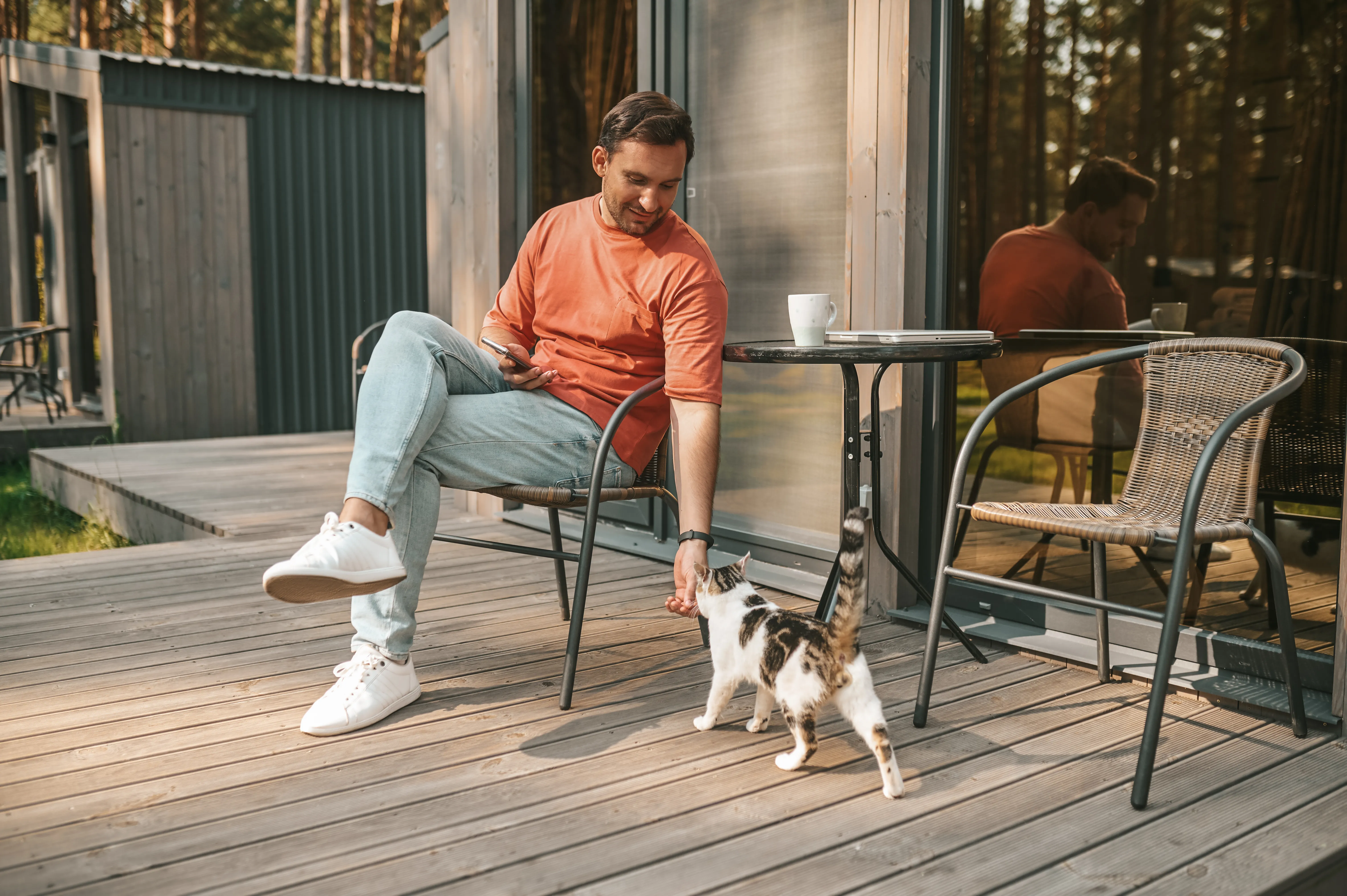
The Sustainable Garden: Why Quality Decking is the Ultimate Eco-Friendly Choice
We have all been there. You see a bargain at the local DIY shop or a "too good to miss" deal on some cheap timber, and you figure you are doing the right thing by saving a few quid. But if there is one thing people learn the hard way about gardening, it is that the cheapest option often has the highest cost for the planet. True sustainability in the garden is not just about composting your veg scraps; it is about breaking the cycle of "disposable" landscaping.
The Buy Once, Cry Once Philosophy
The secret to a truly green outdoor space is durability. When you install low-grade, untreated softwood decking, you are often looking at a five to seven-year lifespan before it starts to rot or warp. That means every few years, that wood ends up in a skip, and you are back at the timber yard buying more. This "fast fashion" approach to gardening is a massive drain on resources.
Choosing high-quality materials from the start is the ultimate second-hand advice for the eco-conscious. Whether it is sustainably sourced hardwood or high-spec composite made from recycled plastics, the goal is longevity. A deck that lasts thirty years instead of five saves six times the raw materials and the energy required for transport and installation. According to the Waste and Resources Action Programme (WRAP), reducing waste at the source is the most effective way to lower your environmental footprint, and that applies to your back garden just as much as your kitchen bin.
Making the Most of Your Materials
If you want to ensure your garden project is as green as possible, the "pro move" is to focus on the foundation. This is where getting the experts in makes a huge difference. By using a professional service like Grounddown Construction, you ensure that the structural groundwork is done perfectly from day one. Their expertise in decking and patios means your garden gets a solid, level, and well-drained base that protects your materials from premature rot. This kind of quality workmanship is a massive win for the environment because it ensures the timber or composite stays in top condition for decades, preventing unnecessary replacements.
Small Changes for a Big Impact
Once the main structure is built to last, you can fill in the gaps with clever, sustainable choices that do not cost the earth. This is where the second-hand market really shines. You do not need brand-new furniture or pots to make a space look incredible.
- Source reclaimed bricks or sleepers for raised beds to keep old materials out of landfill.
- Look for second-hand teak or metal garden furniture that can be easily refurbished with a bit of sanding or paint.
- Use rainwater harvesting butts to keep your plants happy without touching the mains supply.
- Opt for native plants that support local biodiversity and require less chemical fertiliser.
The Real Cost of Maintenance
People often forget that the chemicals we use to keep cheap wood from falling apart are not exactly "earth-friendly" either. Frequent staining, sealing, and treating with heavy-duty chemicals can leach into the soil over time. By investing in high-quality, naturally rot-resistant timber or modern composites, you cut down the need for these treatments significantly.
The Royal Horticultural Society (RHS) highlights that choosing the right materials for the right location is a cornerstone of sustainable gardening. It is about working with your environment rather than fighting against it. When you build something that is designed to weather the British climate gracefully, you are passing on a better garden to the next homeowner, rather than a pile of rotten wood that needs clearing. It turns out that being "lazy" with maintenance is actually much easier when you have started with a build that is designed to go the distance.