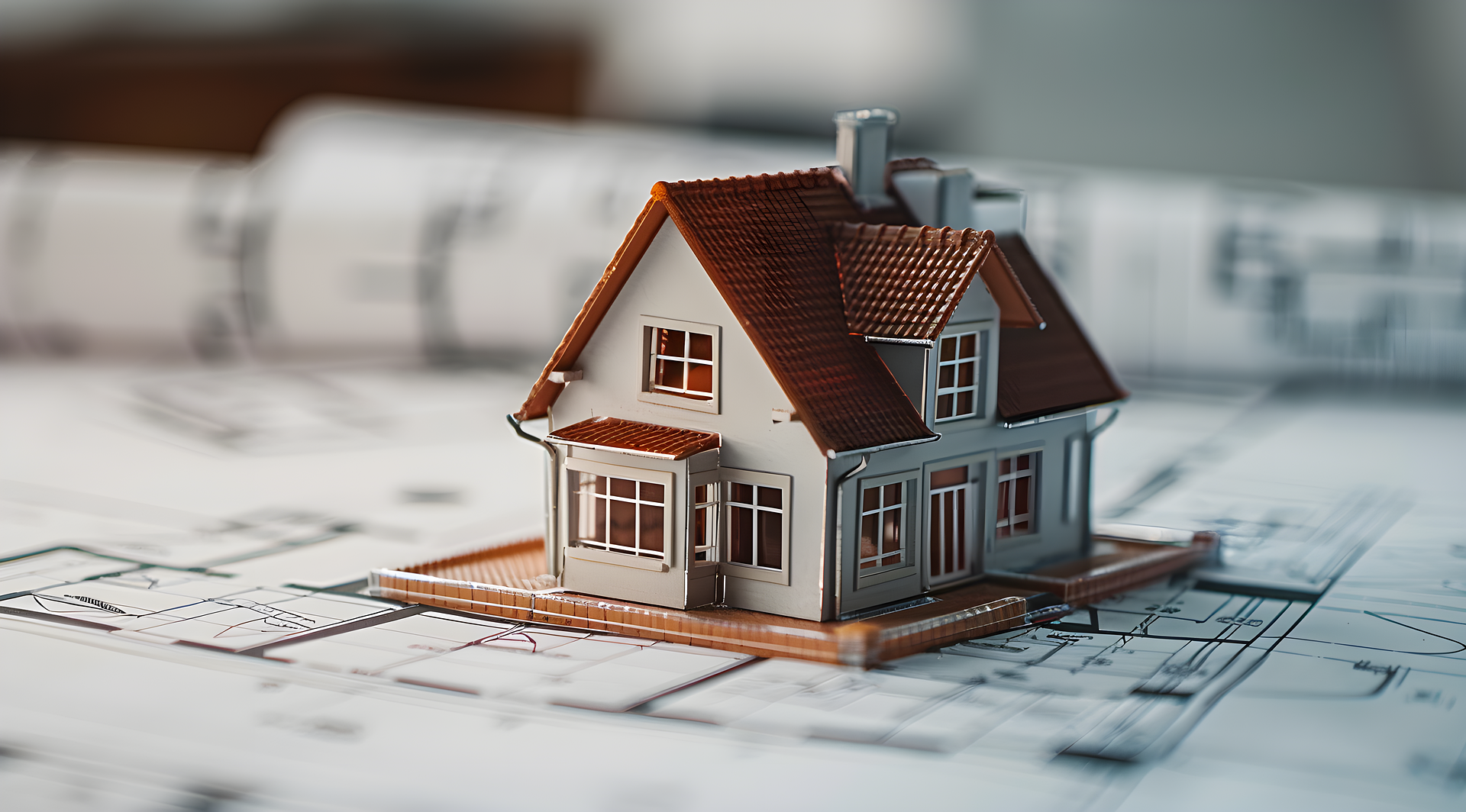
Smart home technology has moved well beyond novelty gadgets. Plenty of homeowners now have at least a smart speaker or a connected thermostat, but there is a lot of confusion about what sits in the DIY camp, what genuinely needs a qualified electrician, and whether the whole thing is actually worth the investment. Here is a straightforward take on it.
What Can Realistically Be Automated?
The honest answer is: more than most people realise, but less seamlessly than the marketing suggests. The most practical and commonly installed smart systems include:
- Lighting control — smart switches and dimmers can replace standard ones and allow app, voice or scheduled control of every light in the house.
- Heating and thermostats — smart thermostats like Hive or Nest are among the most cost-effective upgrades available, with genuine energy savings when used properly.
- Security and cameras — smart doorbells, motion-triggered cameras and app-based alarm systems are now reliable and widely used.
- EV charging integration — smart chargers can be scheduled to run overnight on cheaper tariffs, which is a meaningful saving over time.
- Sockets and appliances — smart plugs can automate almost any standard appliance without any wiring changes.
As Which? notes in its smart home setup guide, costs can creep up quickly once you go beyond a few individual devices, so it is worth deciding upfront which areas you genuinely want to automate rather than buying devices incrementally without a plan.
What Needs a Qualified Electrician?
Anything that involves changes to your wiring or consumer unit needs a qualified, registered electrician. This includes:
- Installing smart switches or dimmers (these often require a neutral wire that older homes may not have at the switch point)
- Hardwiring smart lighting circuits or scene-control systems
- Installing EV chargers or dedicated circuits for high-load appliances
- Any work that needs to be certified under Part P building regulations
Skipping proper installation is not just a quality issue; uncertified electrical work can invalidate home insurance and cause problems when selling a property.
Electricians who already offer smart home installation alongside standard electrical work, such as PSC Electrical in South London, tend to be the most practical option for most domestic projects. For homeowners further afield, companies like Intelligent Installations in Cornwall take a similarly integrated approach to smart home and electrical work.
Is It Worth It?
For heating control and EV charging, the answer is almost always yes, with payback periods that are measurable in months rather than years. For full lighting automation and whole-home control systems, the value is more personal. The convenience is real, but so is the cost.
The sensible approach is to start with the upgrades that have clear practical benefits, get them installed properly, and build from there rather than trying to automate everything at once.