Placement Beats Posters Every Time
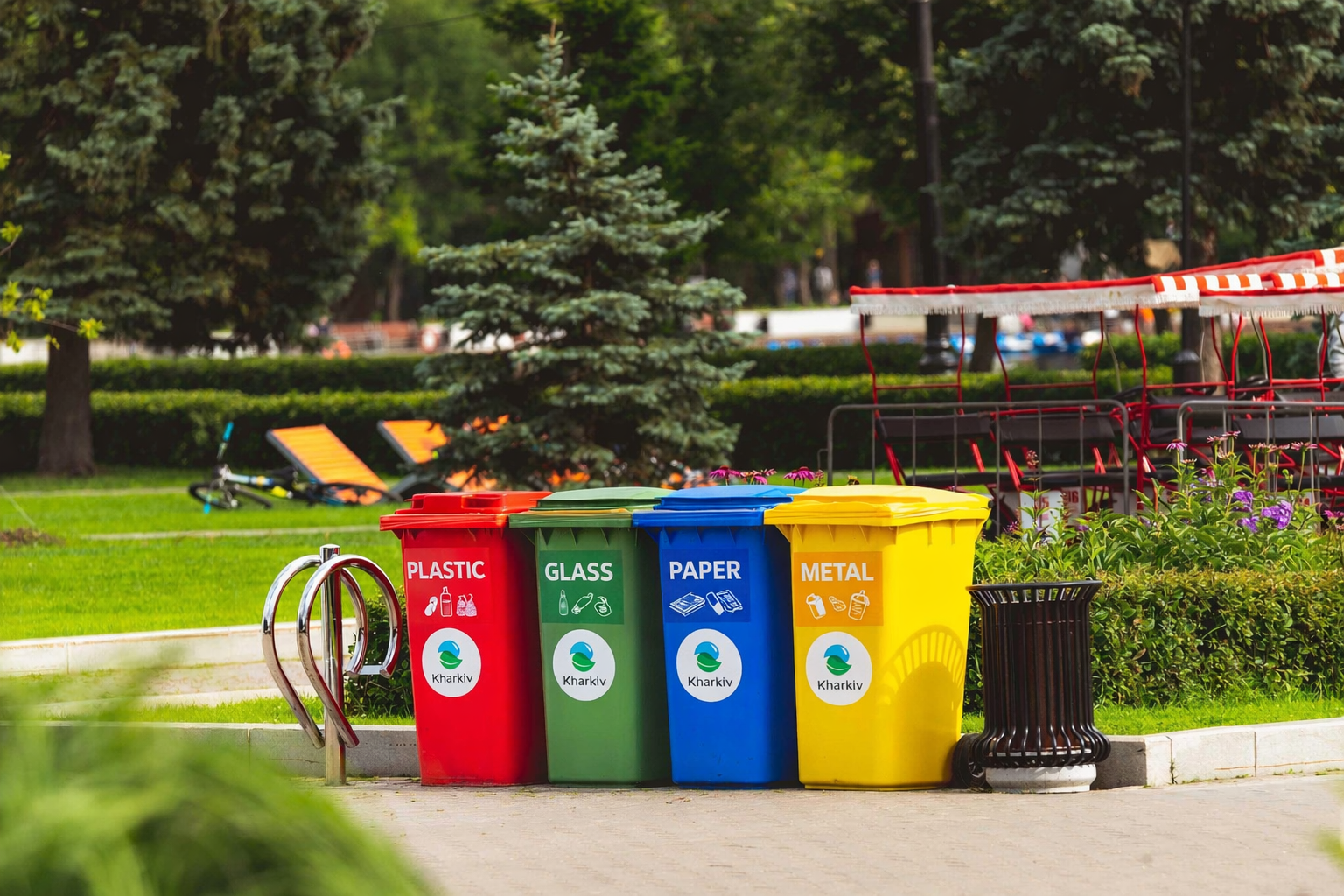
The single most effective thing a school can do is put the right bin in the right place. A recycling bin at the end of a corridor gets ignored. A paper recycling bin next to the printer, a plastic bin beside the canteen exit, and a cup bin in the staffroom will get used without anyone needing to remind pupils or staff to use them. Convenience is the main driver of recycling behaviour, not awareness.
As the Eco-Schools waste guidance makes clear, the most successful school schemes treat waste reduction as a practical, embedded habit rather than a campaign, which means designing the environment to make the right choice the easy choice.
Labelling and Colour Coding Matter More Than You Think
A bin that is not clearly labelled will collect the wrong waste. Contamination is one of the biggest reasons school recycling fails, because mixed or contaminated waste often ends up going to landfill anyway, which defeats the purpose entirely. Colour-coded bins with clear apertures and simple graphics reduce confusion significantly, especially in busy areas like canteens and corridors where pupils are moving quickly.
For schools buying bins, suppliers like Beca Bin offer labelled, purpose-designed bins for specific waste streams including cups, cans, plastic bottles and paper, which removes the guesswork from setup. For schools in the South West or further afield, Leafield Environmental offers a comparable range specifically designed for educational settings, including personalisation options for school branding.
New Legislation Makes This Urgent, Not Optional
From March 2025, all schools in England are legally required to separate recyclable waste into distinct streams including paper, plastic, metal and food waste. This is not just a policy ambition; it is a compliance requirement. Schools that have not yet reviewed their bin provision and waste collection arrangements need to do so now.
Involve Pupils and It Sticks
The schools where recycling genuinely works tend to have given pupils some ownership of it. Eco-committees, class champions, or even just pupil-led audits of what ends up in the wrong bin create engagement that no poster campaign can replicate. It also turns recycling into a learning experience rather than an admin task, which is precisely the point.