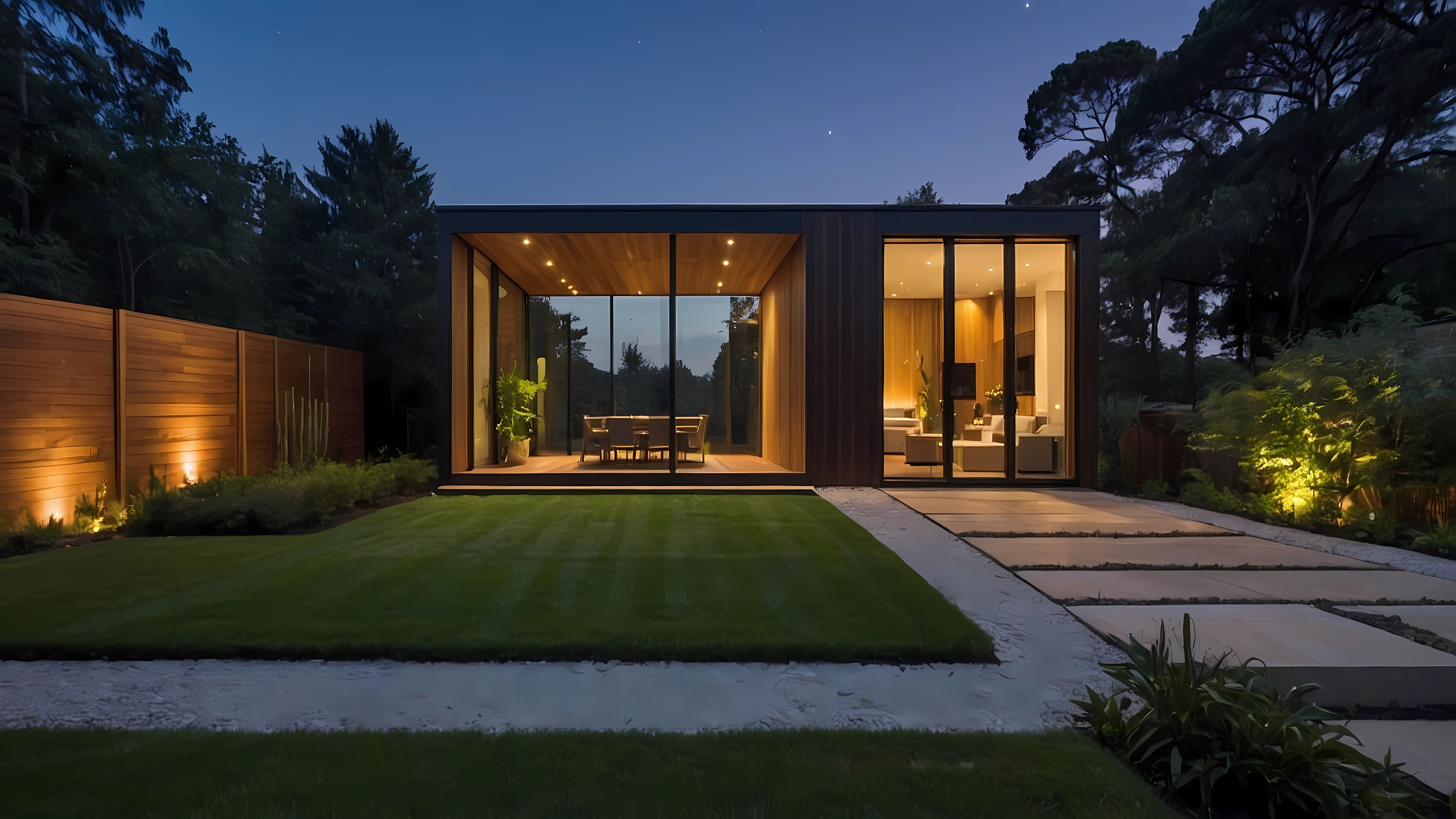
Most people who overspend on a garden renovation do so not because contractors overcharge them, but because they make avoidable decisions in the wrong order. A few hours of thinking before any work starts can save a significant amount of money and a lot of frustration down the line. Here is what experienced landscapers and garden designers tend to say when asked what homeowners consistently get wrong.
Start With How You Actually Use the Garden
The most expensive mistake in garden renovation is designing for appearance before function. A beautifully laid patio in the wrong part of the garden, a lawn that nobody uses, or a water feature that blocks the natural route through the space are all things that look good in photos but create problems in practice.
Before thinking about materials or styles, be clear about what you actually want the space to do. Is it primarily for entertaining? For children to play in? For low maintenance? For growing food? A garden that is designed around real use tends to cost less to build and far less to maintain than one designed around an idealised image.
Sort Out the Hard Landscaping First
This is one of the most consistent pieces of advice from landscaping professionals and garden designers, and the RHS reinforces it clearly in its garden design guidance: get paths, paving, levels and structural elements resolved before thinking about planting. It is far easier and cheaper to plant around hard landscaping than to dig up and relay it around plants.
Decisions about materials at this stage also have a long-term cost implication. Cheaper materials often require more maintenance or replacement sooner. Spending a little more on quality stone, paving or decking at the outset typically works out less expensive over ten years than cutting costs and replacing earlier.
Get Quotes That Break Down the Work
A single lump-sum quote for a full garden renovation makes it almost impossible to understand where the money is going or to make informed decisions about what to prioritise or phase. Ask for quotes that separate materials from labour, and that break the project into distinct elements.
This also helps if budget is a constraint. Well-structured landscaping companies such as Olly Landscapes will typically advise on which elements to complete first and which can be phased without compromising the overall result. That kind of practical guidance is one of the main advantages of working with someone who does this regularly rather than attempting to project-manage it independently.
Know What Can Be Phased and What Cannot
Some garden work needs to happen in a specific sequence. Groundworks, drainage and any structural elements should all be completed before surface finishes or planting. Underground irrigation, lighting cabling and drainage are far cheaper to install before hard surfaces go down than to retrofit afterwards.
Planting, on the other hand, can almost always be phased. Completing the structural renovation and adding planting incrementally over subsequent seasons is a sensible way to manage budget without compromising the long-term result.
Get Inspiration From Other Portfolios
Before finalising any design decisions, it is worth looking at completed projects from landscaping companies in different parts of the country to broaden your frame of reference. Companies like Northumbrian Landscaping, an award-winning practice in the North East, publish a substantial portfolio of completed projects that illustrates what thoughtful design and quality construction looks like across a range of styles and garden types.
What Actually Saves You Money
The decisions that save the most money in a garden renovation are almost always made before work begins. Being clear about function, sorting structural elements first, understanding the sequencing, and working with a contractor who explains the process rather than just delivering a number will make a more significant difference to your final spend than negotiating on price alone.