A lot of people assume that a beautiful garden means hours of work every weekend. It does not have to. With the right design decisions made upfront, you can have an outdoor space that looks genuinely impressive without it ruling your weekends from April to October. Here is what tends to work well, based on what experienced landscapers and gardeners recommend.
Start With the Design, Not the Plants
The biggest mistake most people make is buying plants first and designing around them later. Low maintenance gardens are almost always the result of intentional design choices, not happy accidents. Think about surfaces, structure and layout before you think about what to grow.
Hard landscaping (paving, gravel, decking, resin-bound surfaces) reduces the amount of planting you need to maintain. The RHS advises that replacing some or all perennial beds with shrubs planted through a weed-suppressing membrane, topped with bark or gravel, can mean several seasons pass before any real weeding is required.
Rethink the Lawn
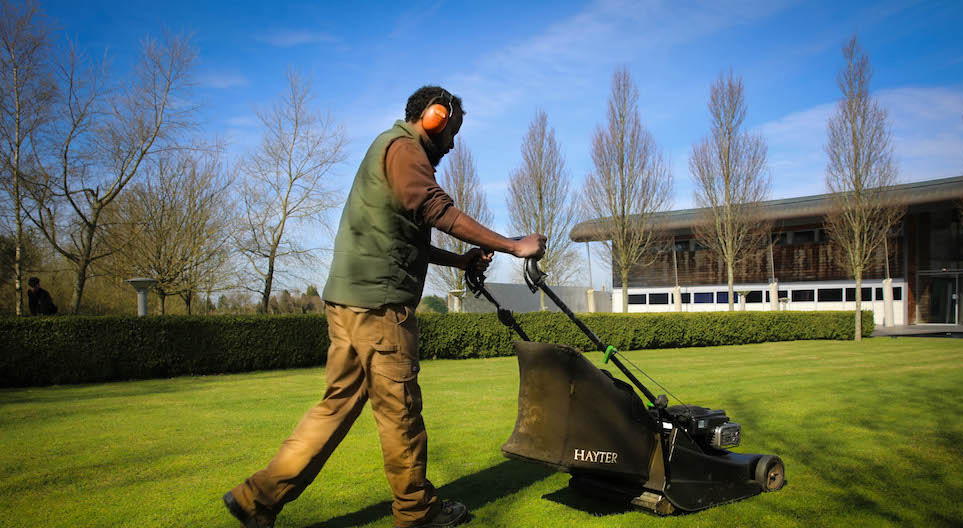
A lawn often sounds like the low-effort option, but in practice it demands regular mowing, edging, feeding and repair. If your garden is small, you are often better off without one. Large paved or gravelled areas with well-chosen planting tend to look better and take far less effort year-round.
If you do want grass, choosing a hardwearing seed mix rather than a fine lawn mix dramatically cuts down the care it needs.
Choose Plants That Do the Work For You
- Evergreen shrubs — year-round structure, minimal intervention, no annual replanting.
- Ornamental grasses — virtually no maintenance beyond a single cut-down once a year.
- Hardy perennials suited to your soil — plants that are well-matched to your conditions establish faster and need less attention. Lavender, Phlomis and Verbena in a sunny, free-draining spot are good examples.
- Ground cover plants — dense low-growing planting crowds out weeds naturally, reducing the need to weed by hand.
The general principle: pack plants in closely rather than spacing them wide apart. Gaps are where weeds thrive.
Think About Irrigation
An automatic irrigation system sounds like a luxury, but for anyone with a lot of pots, raised planters or a garden they cannot tend to daily, it is genuinely transformative. It removes one of the most time-consuming recurring jobs and keeps plants healthier during dry spells. Garden design companies like Oakleigh Manor incorporate irrigation as part of a full garden design, which means it is planned in properly from the start rather than bolted on as an afterthought. Companies like Academy Landscapes in the North East take a similar whole-garden approach, which is worth knowing if you are further north and looking for comparable expertise in your area.
The Honest Truth
No garden is zero maintenance. What good design does is make the maintenance predictable, manageable and infrequent. An hour or two of the right work at the right time of year will keep a well-designed garden looking sharp, without it ever feeling like a burden.