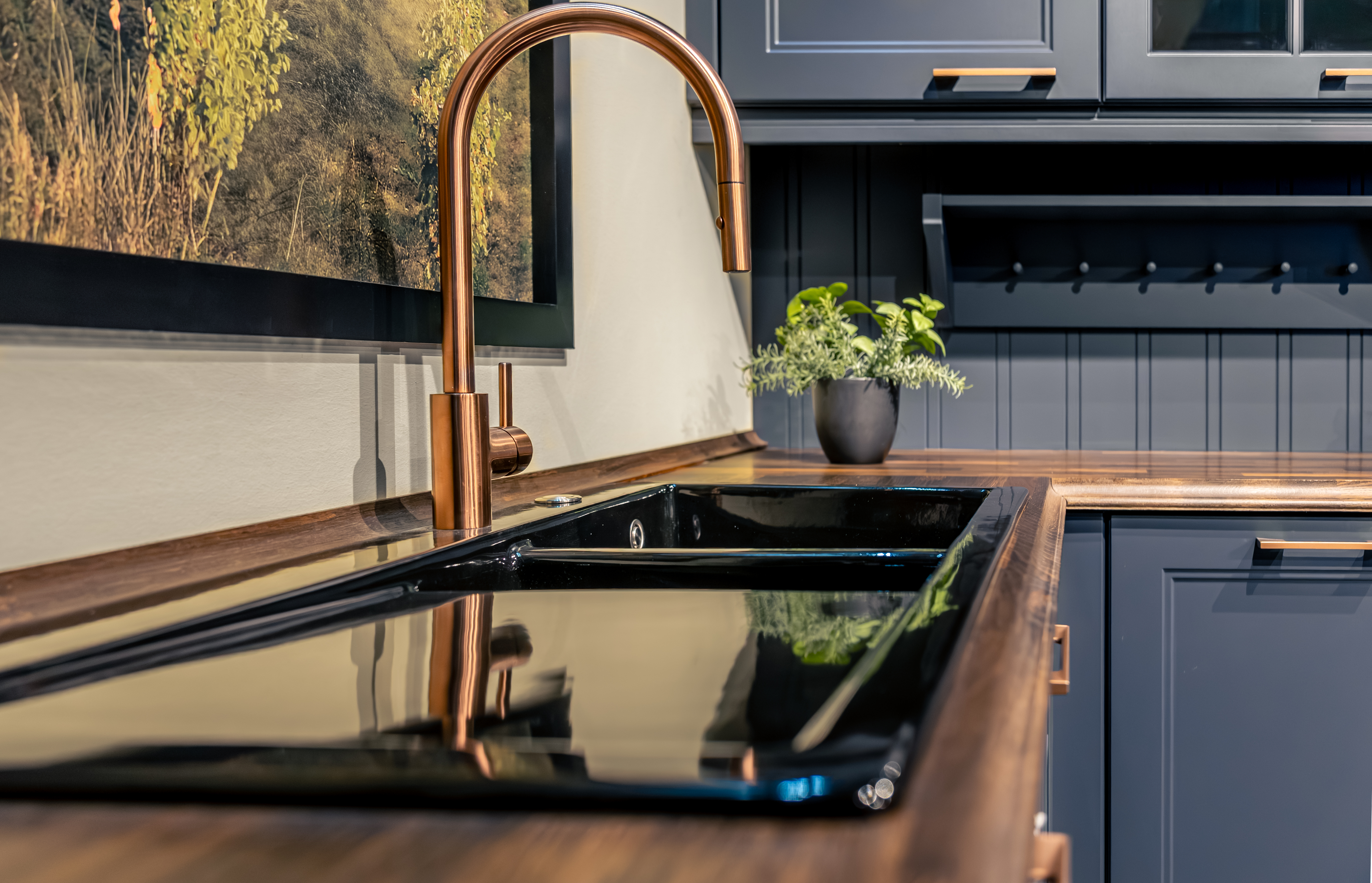
A bespoke kitchen is one of the most significant investments most homeowners make in their property.
Done well, it transforms how a home feels and functions. Done without enough preparation, it can lead to costly compromises that are difficult to undo once the cabinetry is in. Here is what tends to separate a smooth, satisfying process from a stressful one.
Work Out How You Actually Use Your Kitchen
Before you think about styles, finishes or layouts, spend some time being honest about how your kitchen actually gets used day to day. How many people cook at the same time? Do you entertain regularly? Do you need space for children to do homework nearby? Is storage the main problem with your current kitchen, or is it the layout?
A good designer will ask these questions, but arriving with clear answers saves time and tends to produce a better result. The more specific you can be about how the space needs to function, the more useful the design process becomes.
Set a Realistic Budget Before You Start
As Which? explains in its kitchen buying guide, bespoke kitchens vary enormously in price depending on the size of the space, the materials chosen, the appliances included and the complexity of the installation. Having a clear budget range in mind before your first designer meeting means the conversation starts in a useful place rather than working backwards from an uncomfortable number.
It is also worth budgeting for things beyond the cabinetry itself. Flooring, lighting, electrical works, plumbing changes and decorating can add a significant amount to the overall project cost that is easy to underestimate at the outset.
Visit a Showroom Before You Commit to Anything
Looking at kitchens online gives a reasonable sense of style but a poor sense of quality. The difference between a genuinely well-made bespoke cabinet and a standard manufactured one is something you notice immediately in person and rarely from a screen. Visiting a showroom lets you assess the weight of doors, the quality of drawer mechanisms, the finish of paintwork and the overall build standard before committing to anything.
Designers like David Haugh operate a dedicated showroom where clients can see the standard of craftsmanship up close and discuss their project with the team directly, which is a meaningfully better starting point than working from brochures alone.
Think About the Whole Room, Not Just the Cabinets
A bespoke kitchen designed in isolation from the rest of the room rarely achieves its potential. Lighting, flooring, ceiling height, window positions and the flow between the kitchen and adjacent spaces all affect how the finished result looks and functions. The best kitchen designers think in terms of the whole room rather than just the units, and will ask about these elements early in the process.
If your project involves structural changes, an extension or a significant layout change, it is worth resolving those decisions before finalising any kitchen design. Redesigning a kitchen around a structural layout that later changes is an expensive way to learn this lesson.
Understand What Bespoke Actually Means
The word bespoke gets used loosely in the kitchen industry. In its truest sense it means every element is designed and made to your exact specification, with no fixed sizes, standard configurations or off-the-shelf components. Companies that manufacture in their own workshop, such as Harvey Jones, have full control over the entire production process, which means modifications to sizing, internal configurations and finishes can be accommodated in ways that are not possible when products are sourced from a third-party manufacturer.
For homeowners in Scotland and Northern England, Countryside Kitchens bring a similar philosophy to their work, designing and building handmade kitchens with a focus on understanding how each client actually uses their space before a single design decision is made.
Consider How the Kitchen Will Age
A bespoke kitchen is not just an aesthetic investment; it is a long-term functional one. Materials, finishes and construction methods all affect how well it holds up over decades of daily use. Solid timber, quality hinges and drawer runners, and a robust paint finish are all things worth asking about specifically rather than assuming are standard.
Businesses like Bespoke UK in South Wales and Marshalls of Conwy in North Wales both place longevity at the centre of how they design and build, which is a useful benchmark when evaluating what any kitchen company considers standard practice in terms of materials and construction.
The Detail You Give Is the Detail You Get Back
The single most consistent thing that experienced kitchen designers say about the clients whose projects go most smoothly is that they came prepared. Clear ideas about what is not working in their current kitchen, a realistic sense of budget, an understanding of which features matter most, and an openness to being challenged on assumptions they had made. That combination, more than any other factor, produces kitchens that people are genuinely delighted with for decades.