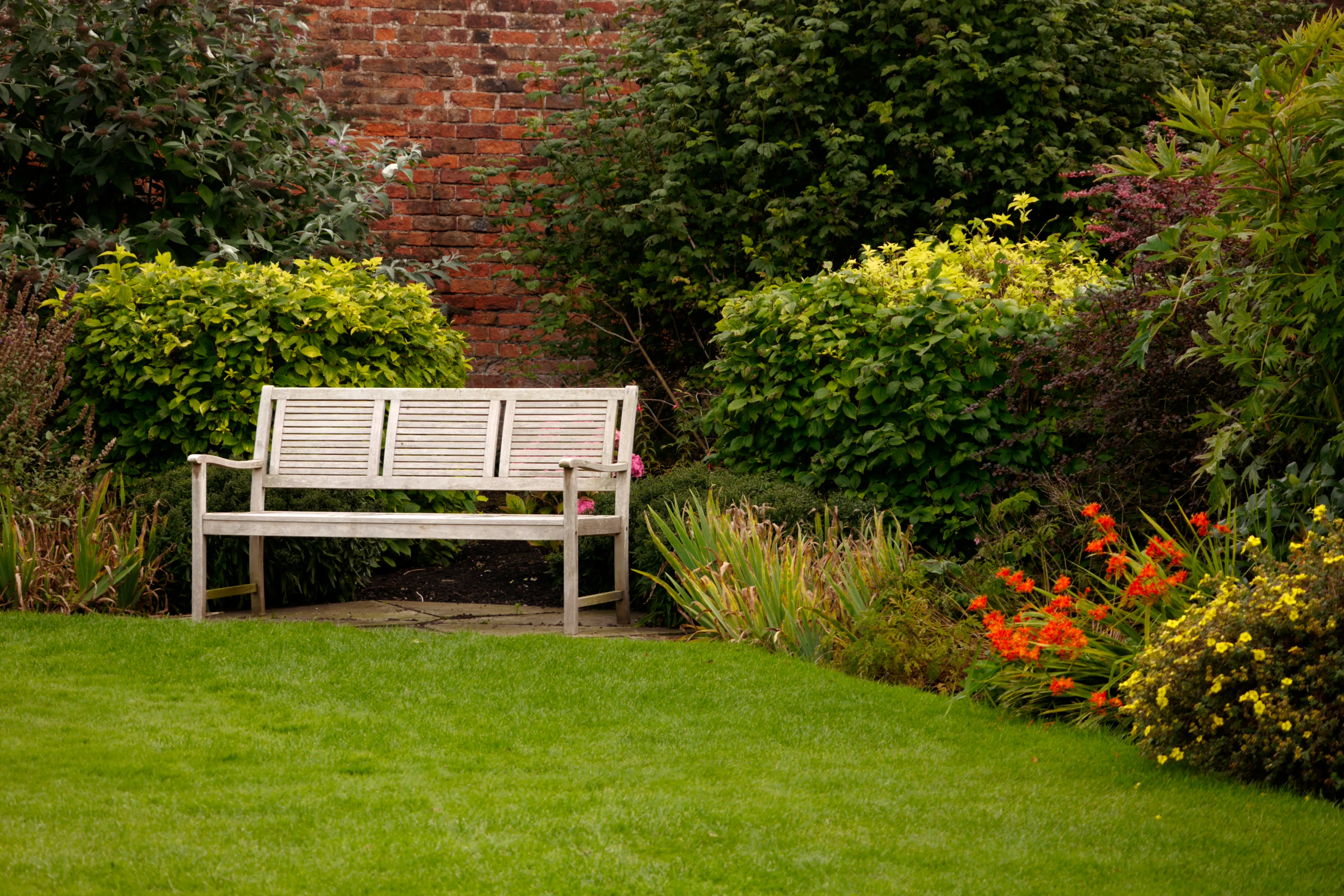
Small gardens have a bit of an image problem. People look at a compact outdoor space and immediately start listing what they cannot have, rather than thinking about what they actually can. The truth is, some of the most impressive gardens out there are small, and that is not despite their size, it is often because of it. When space is limited, every decision has to count, which usually results in something far more considered than a larger garden that ends up half-used and half-forgotten.
Stop Thinking About What Is Missing
The first shift that makes a real difference is letting go of the idea that a small garden is just a large garden with less in it. It is a completely different design challenge, and the instincts that work in bigger spaces can often work against you here. Trying to squeeze in too many features, too much furniture, or too many competing plants is one of the most common mistakes, and it almost always makes the space feel smaller and more cluttered.
The goal is not to include everything. It is to make the space feel intentional. A compact garden with one well-designed seating area, thoughtful planting, and a clear purpose will always feel more effective than one that has been overloaded with ideas.
Use Your Vertical Space
This is one of the most underused approaches in small garden design, yet it makes a noticeable difference. When you cannot expand outward, you can build upward. Climbers on walls and fences, trellises, wall-mounted planters, and taller plants all help draw the eye up, adding depth and making the space feel more layered.
It also frees up valuable ground space. Bare fences in particular tend to make a garden feel enclosed, whereas using them as a backdrop for planting softens the boundary and creates a more open feel. The BBC Gardeners' World small garden design guide shows how effective vertical planting can be in practice.
What a Professional Eye Can Change
This is where expert input can make a significant difference. A skilled landscape gardener does more than install features, they understand how to shape a space so everything works together. They can spot opportunities and limitations that are easy to miss when you are too close to the project.
Companies like Absolute Gardens specialise in transforming compact outdoor spaces through considered design choices, whether that is smart paving layouts, tailored planting schemes, bespoke decking, or well-planned fencing. The difference between a garden that feels designed and one that feels pieced together usually comes down to that level of planning from the outset.
Mistakes That Are Hard to Undo
There are a few common missteps that can be difficult or costly to fix once they are in place:
- Raised beds in small spaces. These can reduce the sense of space by adding unnecessary height and enclosure.
- Oversized or mismatched furniture. This quickly overwhelms a compact area and creates visual clutter.
- Poor plant selection. Choosing plants without considering their mature size can lead to overcrowding and loss of light.
- Too many materials and colours. Mixing multiple paving styles or tones creates visual noise and makes the space feel smaller.
- Dark or heavy fencing. The wrong shade can make boundaries feel closer, while lighter, softer tones tend to open the space up.
Make It Work for How You Actually Live
The most successful small gardens are not designed around trends or how they look in photos. They are built around how the space is actually used. Thinking about where the sun falls, whether you want to dine or simply relax, and how much maintenance you are willing to take on will shape far better decisions than copying what works elsewhere.
The RHS small garden design guidance is a useful resource if you want to explore what is possible in a limited space. A garden designed around your day-to-day life will always feel more spacious and satisfying than one created purely for appearance. The size is rarely the real issue, it is usually the approach taken to designing it.