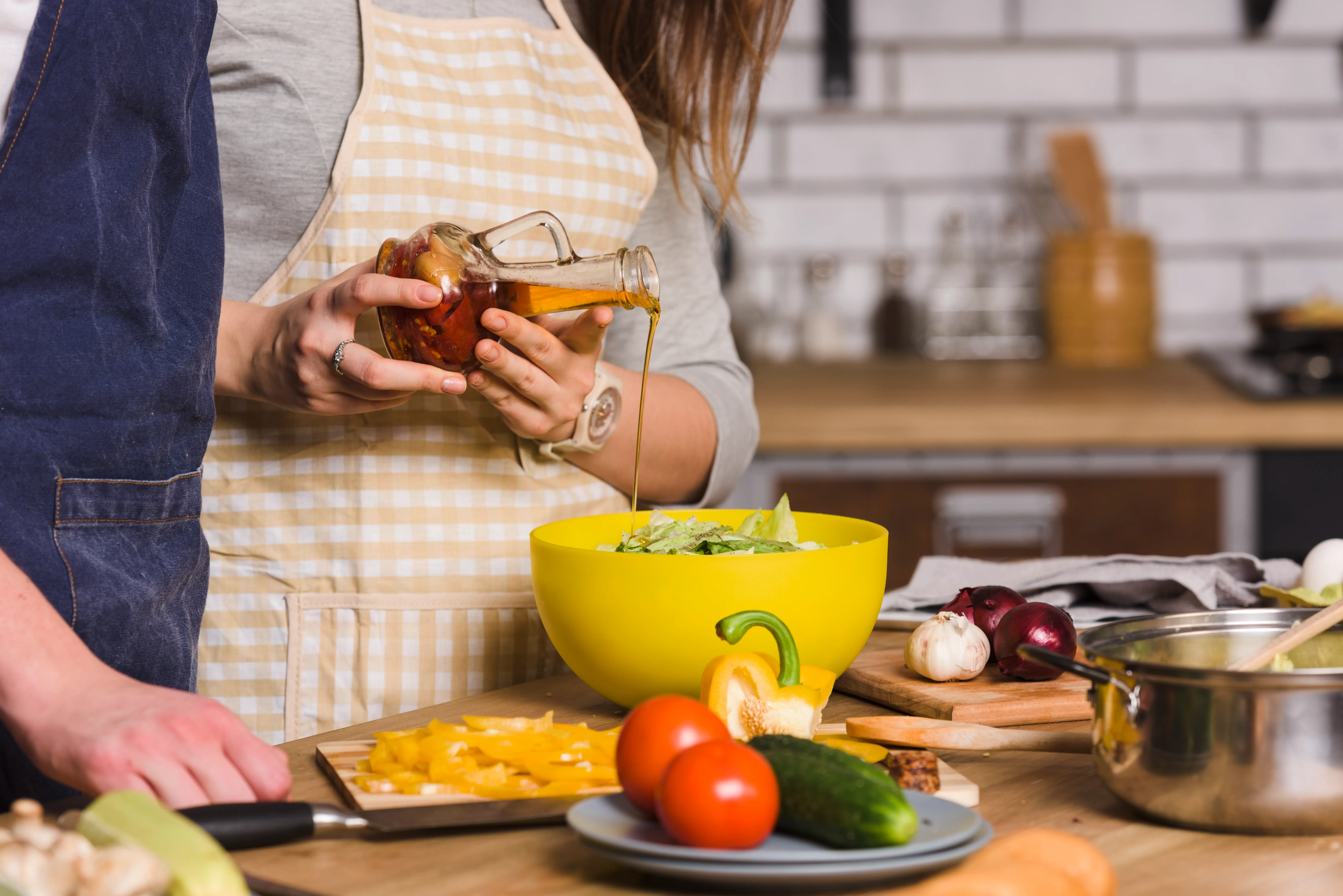
There is a certain kind of confidence that comes from making a curry from scratch and genuinely nailing it. Not the takeaway replica kind, not the jar-sauce kind, but the real thing. Aromatic, layered, and tasting like it took actual skill. The problem is that most people try to get there by flicking between three browser tabs and then wonder why their onions are burnt and the whole thing smells a bit off.
The Spice Problem (It Is Not What You Think)
The most common assumption is that Indian cooking requires an overwhelming arsenal of unfamiliar spices. It does not. The truth is you can cook a wide range of authentic dishes with a fairly modest core collection. Cumin seeds, turmeric, coriander, garam masala, mustard seeds, and a decent chilli powder will get you a very long way. Most of these are sitting in the world food aisle of any supermarket.
Where people go wrong is not in lacking spices, but in not understanding how to use them. Whole spices and ground spices behave differently, and they need to be added at different stages of cooking.
The other classic mistake is burning the ginger and garlic paste. It sounds minor but it ruins the whole base of the dish. The bitterness carries all the way through to the finished dish and there is genuinely no coming back from it.
The Onion Base: The Bit Everyone Rushes
If there is one piece of second-hand wisdom that comes up again and again, it is this: do not rush the onions. Properly cooked onions are the backbone of most Indian gravies. They need to go soft, sweet, and often a little golden before the spices go in. Trying to shortcut this step is one of the biggest reasons home-cooked Indian dishes end up tasting thin and unbalanced.
BBC Good Food has a solid overview of Indian cooking with recipes that illustrate this base technique well, and it is worth spending time there before you even think about tackling a biryani.
Why Random Recipes Alone Will Only Get You So Far
There is a real limit to what you can learn from cook books. You will pick up techniques here and there, but what is often missing is the underlying understanding of why things work the way they do.
This is where structured learning makes a genuine difference. Understanding the method behind the madness means you stop relying on recipes as a safety net and start cooking with actual confidence. That shift is the point where Indian cooking stops feeling stressful and starts feeling enjoyable.
Platforms like Shikshak are built around exactly this approach. Founded by chef Monica Haldar, who has over a decade of teaching experience through her Manchester-based Spice Club, Shikshak offers a growing video recipe library and live cookery classes that walk you through regional Indian cooking step by step, including a fantastic coconut chutney recipe that is a great starting point for understanding South Indian flavour profiles. Having a knowledgeable teacher alongside you, rather than just a list of ingredients to follow, is the kind of shortcut that actually works.
The Mistakes That Catch Everyone Out
Here is a quick rundown of the things that trip people up most consistently when they start cooking Indian food at home:
- Burning the whole spices in the oil because the heat is too high (they go bitter instantly and there is no saving the dish)
- Substituting spices freely without understanding what each one contributes to the flavour
- Adding too much water too early, diluting the masala before it has had a chance to develop properly
- Assuming "Indian food" is a single cuisine rather than a collection of wildly different regional traditions
- Treating garam masala as a base spice rather than a finishing one
Chutneys Are a Brilliant Place to Begin
If the prospect of a full curry feels like too much to start with, chutneys are a surprisingly good entry point. They are quick, they involve the same spice logic in miniature, and they immediately teach you about balancing heat, acidity, and sweetness.
A good coconut chutney, for instance, introduces you to tempering with mustard seeds and curry leaves, which is one of the most fundamental techniques in South Indian cooking.
Once you understand how a tadka works (that is the process of blooming whole spices in hot oil), it starts to click across a whole range of dishes. It is a small thing that makes an enormous difference.
Patience Is Actually the Main Ingredient
The overriding piece of advice from anyone who has got to a point where they cook Indian food confidently is this: give it time. Not just time in the pot, though that matters too, but time in the learning. Repeat the same dishes a few times before moving on. Get comfortable with the base before adding complexity.
According to Selfup, people who take structured cooking classes are significantly more likely to cook at home regularly compared to those who self-teach without guidance. That consistency is where the real skill gets built.
The goal is not to memorise a hundred recipes. It is to understand the principles well enough that you can look at what is in the fridge, know what is possible, and cook it with confidence.