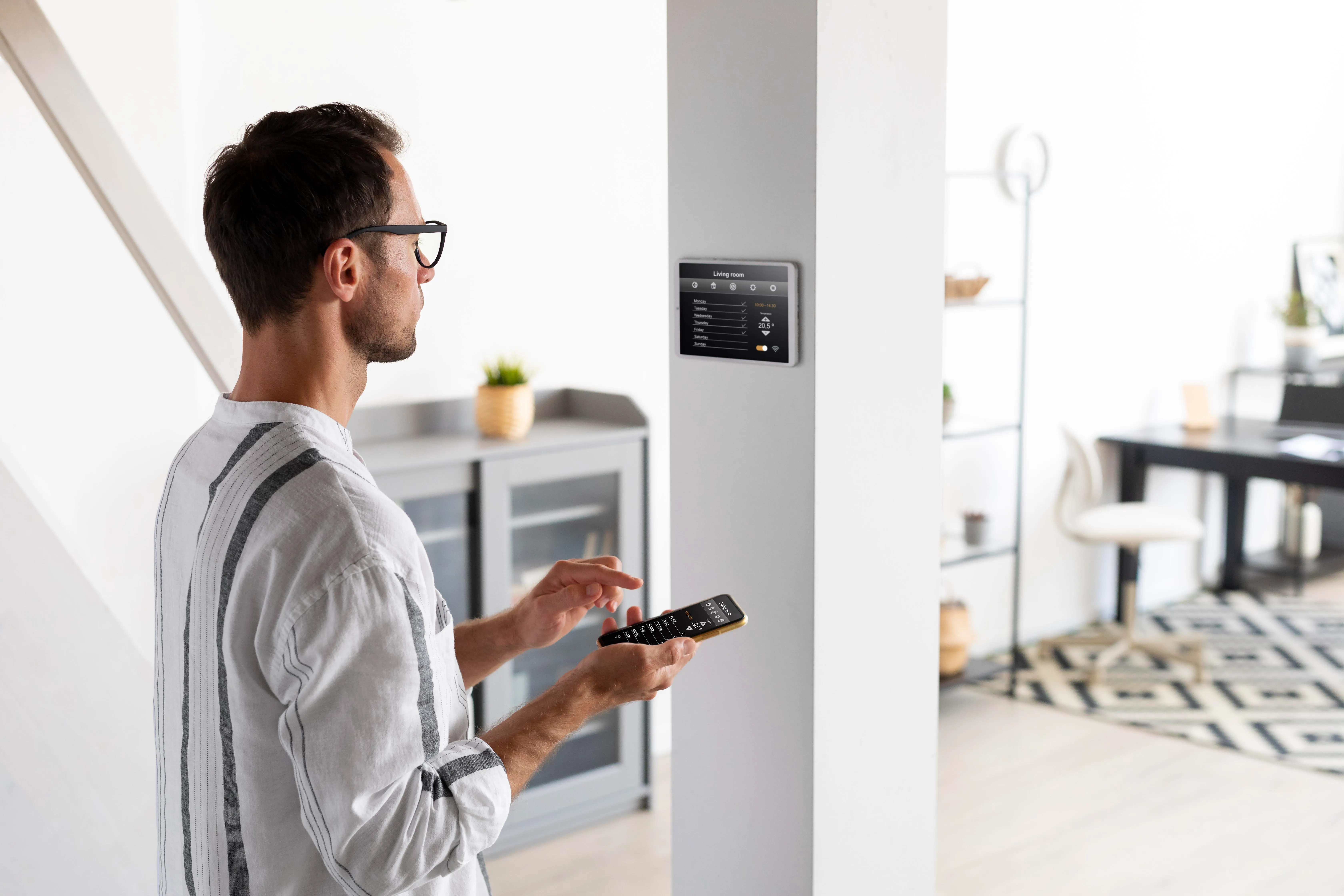
Energy bills remain one of the most significant outgoings for UK households, and while insulation and efficient appliances are often the first measures people consider, building automation is increasingly being recognised as a meaningful way to reduce what a home consumes day to day. Rather than relying on occupants to manually adjust heating, lighting, and shading at the right times, an automated system does this continuously, responding to real conditions in the home rather than fixed schedules or guesswork.
This article looks at how home automation systems can contribute to lower energy use, what to think about before investing, and how to find the right installer for your situation.
What the Evidence Says About Smart Homes and Energy Use
The relationship between smart technology and energy saving is more nuanced than manufacturers often suggest. Automation can genuinely reduce consumption when it is configured to respond intelligently to occupancy, time of day, and external conditions such as weather and daylight levels. However, the same technology can increase usage if it is set up to prioritise comfort over efficiency, for example by heating rooms earlier or more intensively than a manual system would. The key is in the setup and the intent behind it. The Energy Saving Trust's guidance on smart homes and carbon footprints makes this distinction clearly, noting that smart devices and automation can make managing home energy easier, but that the outcome depends on how the technology is used.
For most households, the areas where automation delivers the most consistent energy savings are heating control, lighting, and shading. These three systems together account for a large proportion of domestic energy consumption and all respond well to intelligent, condition-based automation.
Finding a Certified Installer Who Understands Energy Efficiency
The energy-saving potential of a building automation system is largely determined at the design and installation stage. A well-configured system built around your household's actual patterns of use will perform very differently from a generic setup that has not been tailored to the property. This makes the quality and experience of the installer one of the most important factors in any automation project.
Connect Automation are a certified Loxone installer operating across London, Kent, Surrey, and Essex. Loxone is a building automation platform that integrates heating, lighting, blinds, security, and energy management into a single system controlled through a central miniserver. Because all elements communicate with one another, the system can make coordinated decisions, for example closing blinds automatically when a room begins to overheat, reducing the demand on cooling, or adjusting heating zone by zone based on which parts of the home are actually occupied.
Other Considerations When Exploring Home Automation
Home automation as a field has grown considerably in recent years, and there is now a wide range of systems, platforms, and approaches available to homeowners. Understanding the differences between them, whether that is wired versus wireless, cloud-dependent versus locally processed, or modular versus fully integrated, can help you ask better questions when speaking to an installer. Resources from certified installers can also be a useful source of practical information on how these systems work in real homes. Energien UK, for example, offer a useful overview of how a fully integrated Loxone system handles lighting, heating, audio, and security as interconnected elements rather than separate devices, which is a helpful reference point when comparing different approaches.
What to Consider Before You Invest
Building automation works best when it is planned as part of a broader approach to energy efficiency rather than treated as a standalone solution. Insulating the property well, ensuring the heating system itself is efficient, and understanding where energy is currently being lost will all affect how much an automation system can contribute. A well-insulated home with a responsive heating system will see far more benefit from intelligent zone control than a poorly insulated one where heat is escaping regardless of how the controls are set.
It is also worth thinking about how you actually use your home. Households with predictable routines tend to benefit most from automation, since the system can learn and anticipate patterns effectively. Those with more variable schedules may need more flexibility built into the setup, or a greater reliance on occupancy sensing rather than time-based programming.
For most homeowners, the most practical starting point is a conversation with a certified installer who can assess the property and give an honest view of where automation is likely to make a measurable difference. The technology is capable of delivering real energy savings, but only when it is configured thoughtfully and with efficiency as a clear objective from the outset.