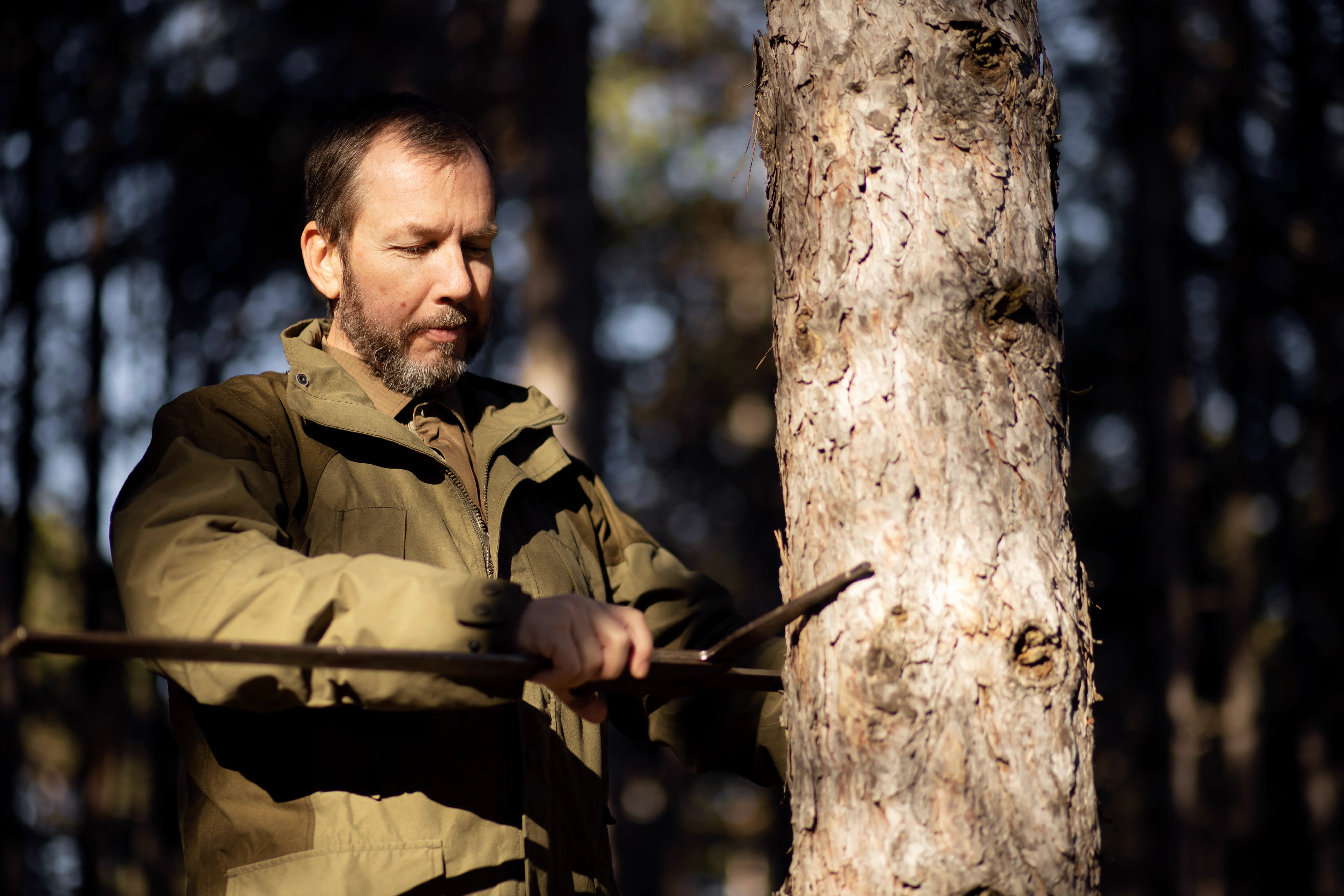
Trees are easy to take for granted. They sit at the bottom of the garden, they have been there for decades, and for the most part they seem to look after themselves. The problem is that trees can deteriorate in ways that are not immediately obvious from the ground, and by the time something visible appears, the underlying issue may already be serious. In South East London and Kent, where mature trees are a common feature of both urban gardens and rural properties, this is a particularly relevant concern.
What Can Go Wrong
Decay often starts from the inside. Fungal infections, root damage, and structural weakening can all progress significantly before any outward signs appear. Branches that look healthy can be poorly attached and fail without warning, particularly during high winds or after prolonged wet weather. The Forestry Commission notes that tree health threats in the UK have increased considerably in recent years, with diseases like ash dieback now affecting millions of trees across the country, including significant numbers across Kent and the wider South East, many of which still look outwardly intact.
The Risk to Property and People
A falling branch or an uprooted tree can cause serious damage to buildings, vehicles, fences, and neighbouring properties, and the liability implications for landowners can be significant. In densely populated areas like South East London, where gardens back onto one another and trees often overhang shared boundaries, the potential for damage to neighbouring properties is especially worth taking seriously. Homeowners have a duty of care when it comes to trees on their land, which means that an unmanaged tree that causes damage is not simply an act of nature from a legal standpoint.
Signs Your Tree May Need Attention
- Visible cracks or splits in the trunk or main branches
- Fungal growth such as mushrooms or brackets at the base of the tree
- Dead or hanging branches that have not shed naturally
- Leaning that has developed or worsened over a short period
- Leaves that are discoloured, sparse, or failing to appear in spring
- Roots that are visibly damaged, lifting, or decaying
- Cavities or hollow sections in the trunk
Why Professional Assessment Makes a Difference
This is where specialist knowledge matters. Arborists are trained to identify early signs of structural failure, disease, and instability that most homeowners would not notice. Companies like Down To Earth Trees, who operate across Kent and South East London, carry out full tree surveys and health assessments, identifying risks before they become emergencies and advising on the appropriate course of action, whether that is targeted pruning, treatment, or removal.
Finding Qualified Help Wherever You Are
For those outside the South East, there are qualified arborists serving most parts of the country. Forestry England is a useful starting point for understanding tree health standards and finding accredited professionals in your area, a reminder that specialist tree care is not limited to urban areas or large estates.
Most tree problems are entirely manageable when caught early. The risk comes from leaving things unchecked for too long.