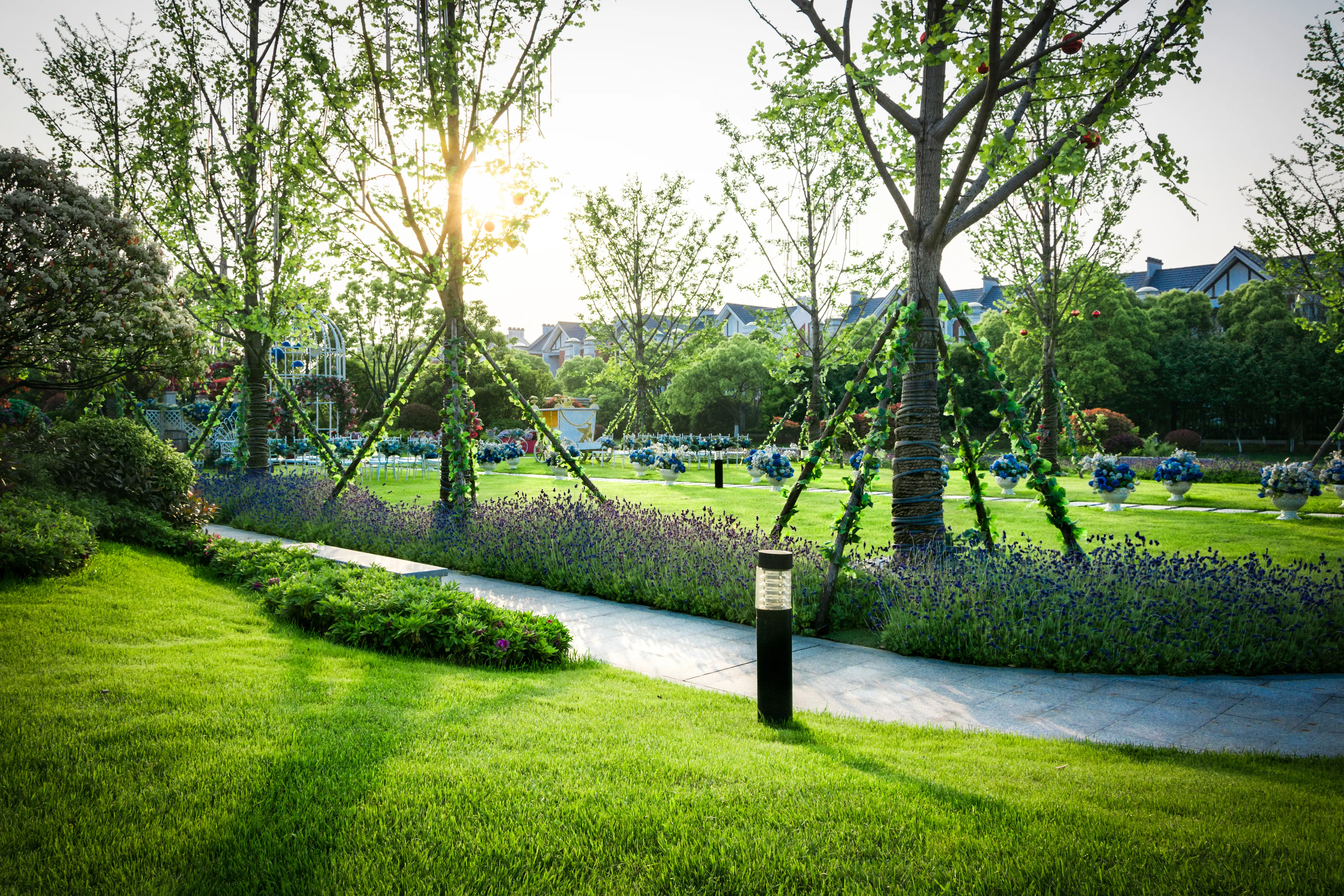
Landscaping in the West Country has grown in both popularity and cultural significance, reflecting a broader shift in how people value outdoor space. Across counties such as Gloucestershire, Somerset, and Devon, gardens are no longer seen as secondary to the home but as essential extensions of it- places for relaxation, productivity, and connection with nature.
Part of this popularity stems from the region's natural assets. The West Country is known for its rolling hills, mild climate, and relatively high rainfall, all of which create ideal conditions for lush, diverse planting. Landscaping here often embraces these advantages rather than fighting them. Instead of rigid, formal designs, homeowners and designers favour softer, more naturalistic approaches that complement the surrounding countryside. The result is outdoor spaces that feel integrated with their environment rather than imposed upon it.
The benefits of landscaping in the West Country go beyond aesthetics. Well-designed gardens can significantly enhance wellbeing. In a region where access to nature is already a defining feature, thoughtful landscaping brings that experience closer to home. Whether it's a wildflower border buzzing with pollinators or a quiet patio framed by greenery, these spaces offer a sense of calm and restoration that is increasingly valued in modern life.
Environmental considerations play a major role in the growing popularity of landscaping. Many West Country residents are adopting sustainable landscaping practices, such as planting native species, reducing lawn areas, and incorporating features like rainwater harvesting systems. These choices not only support local wildlife but also make gardens more resilient to changing weather patterns. In this sense, landscaping becomes a practical response to climate concerns as much as a stylistic one.
Landscaping can also be tailored to suit a wide range of lifestyles, from low-maintenance designs for busy households to productive gardens with vegetable patches and fruit trees. The popularity of kitchen gardens and "grow-your-own" spaces has surged, particularly in rural and semi-rural communities, where there is both the space and the inclination to cultivate food at home.
Economically, landscaping can add tangible value to a property. In sought-after areas across the West Country, including Stroud, Cheltenham or the Cotswolds, an attractive, well-planned garden can be a deciding factor for buyers. Outdoor features such as decking, garden offices, and seating areas effectively increase usable living space, making homes more versatile and appealing.
Ultimately, the popularity of landscaping in the West Country lies in its ability to combine beauty, function, and sustainability. It reflects a way of living that prioritises connection to the land, the seasons, and a slower, more considered pace of life. In a region already defined by its landscapes, investing in outdoor space feels less like a trend and more like a natural extension of its identity.