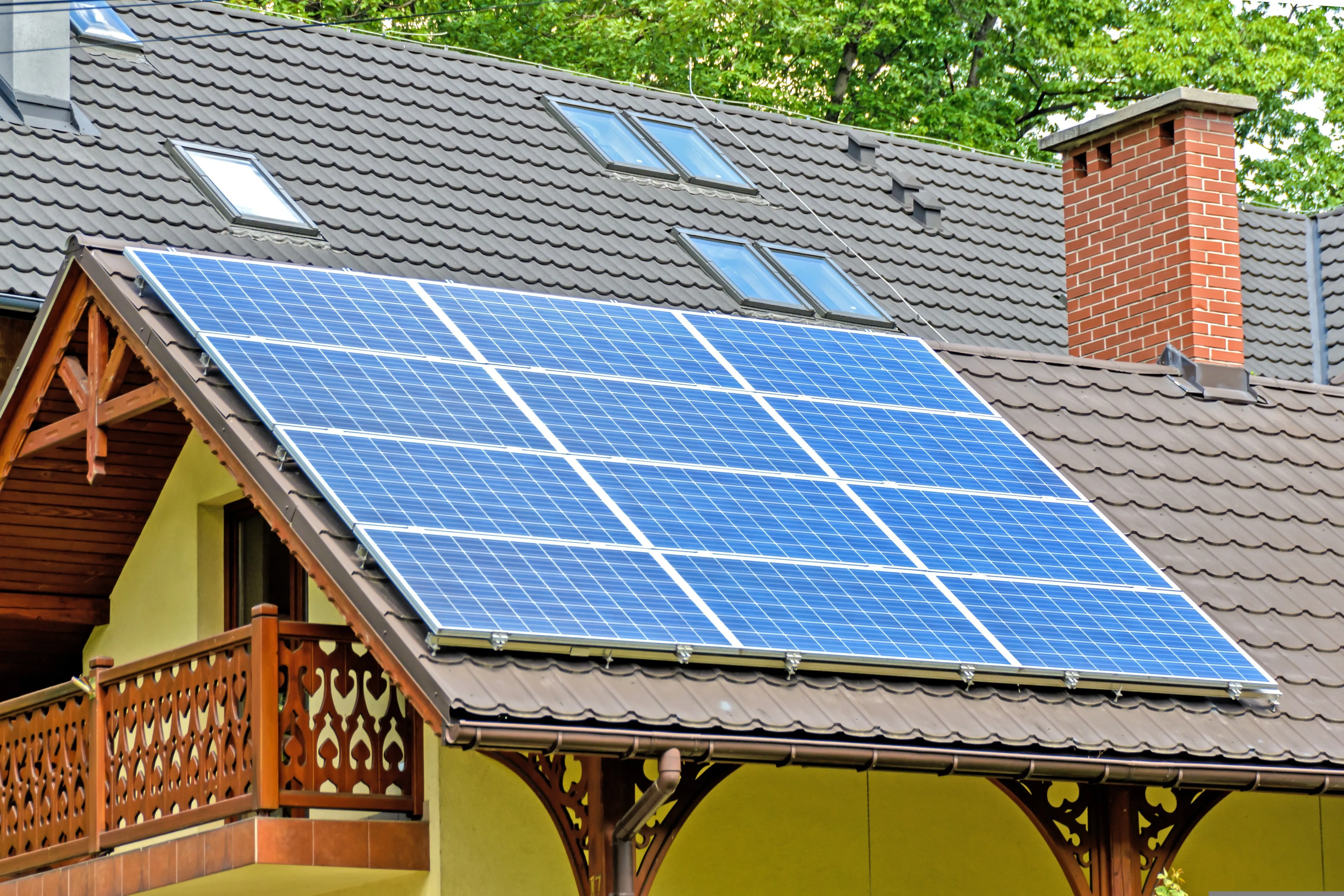
The way British homes are powered is changing faster than most people realise. A combination of rising energy costs, government policy, improving technology, and shifting buyer expectations is pushing home energy firmly towards a renewable future. For homeowners thinking about what that means in practical terms, the picture is more accessible and more straightforward than it might first appear.
Where Things Stand Right Now
The UK has already made significant progress on renewable energy at a national level, but the transition at the household level is still very much underway. Gas boilers remain the dominant heating source for most homes, and grid electricity still carries a carbon cost. That is changing, however, as more homeowners take control of their own energy generation and storage rather than relying entirely on the grid. According to the Energy Saving Trust, solar panels can generate a meaningful proportion of a household's electricity needs even in the UK climate, with the added benefit of the Smart Export Guarantee allowing homeowners to sell surplus energy back to the grid.
Solar as the Foundation
Solar panels have become the entry point for most homeowners looking to reduce their reliance on grid electricity. The technology has improved considerably over the past decade, costs have fallen significantly, and installation is now a straightforward process for most standard properties. The addition of battery storage changes the equation further still, allowing households to store energy generated during the day for use in the evening, which dramatically increases the proportion of a home's energy needs that can be met from self-generated power.
Established solar energy companies in the UK can even cover both solar PV and battery storage as a combined system, which means the two technologies are specified and installed to work together from the outset, rather than being retrofitted separately at greater cost later.
Heat Pumps and EV Charging as Part of the Picture
Solar panels are increasingly being paired with air source heat pumps and EV chargers to create a joined-up home energy system. The logic is straightforward: generating your own electricity becomes significantly more valuable when you can use it to heat your home and charge your vehicle as well as power your appliances. This is particularly relevant as the UK government's targets for phasing out new gas boilers and petrol and diesel vehicles move closer, making the case for a fully electric home energy setup more compelling with each passing year.
The Role of Specialists Across the Country
Access to quality renewable energy installation is no longer limited to major cities. Yorkshire companies have been delivering solar, battery, and heat pump installations to homes and businesses across Northern England for over fourteen years, reflecting how established the sector has become outside of traditional renewable energy hotspots.
What Homeowners Should Be Thinking About Now
The strongest argument for acting sooner rather than later is straightforward: every year spent on grid electricity at current prices is a year of bills that self-generated power could have offset. Battery storage prices continue to fall. Government incentives, while subject to change, currently make the financial case stronger than it has ever been. And for anyone planning to sell their home in the next decade, an efficient, renewable energy setup is increasingly something buyers will expect rather than simply appreciate.
The transition to a cleaner, cheaper, and more independent home energy setup is well underway. The question for most homeowners is no longer whether it is worth doing, but how soon to start.