Ireland's relationship with energy is changing. For decades, most homes relied almost entirely on the grid for electricity and on oil or gas for heat, with little ability to influence how much they paid or where their energy came from. That picture is shifting, driven by rising costs, improved technology, and a policy environment that is actively pushing homeowners towards cleaner, more self-sufficient alternatives. For anyone thinking about what this means in practical terms, the opportunity has rarely been more accessible.
Where Ireland Stands Right Now
Ireland has ambitious climate targets, and the residential sector is a significant part of how those targets will be met. The government has committed to reducing carbon emissions substantially by 2030, and a large proportion of that reduction will need to come from how homes are heated and powered. The Sustainable Energy Authority of Ireland, better known as the SEAI, administers a range of grant schemes designed to make the transition more affordable for homeowners, including grants of up to €1,800 towards solar PV installation for eligible properties.
Solar as the Starting Point
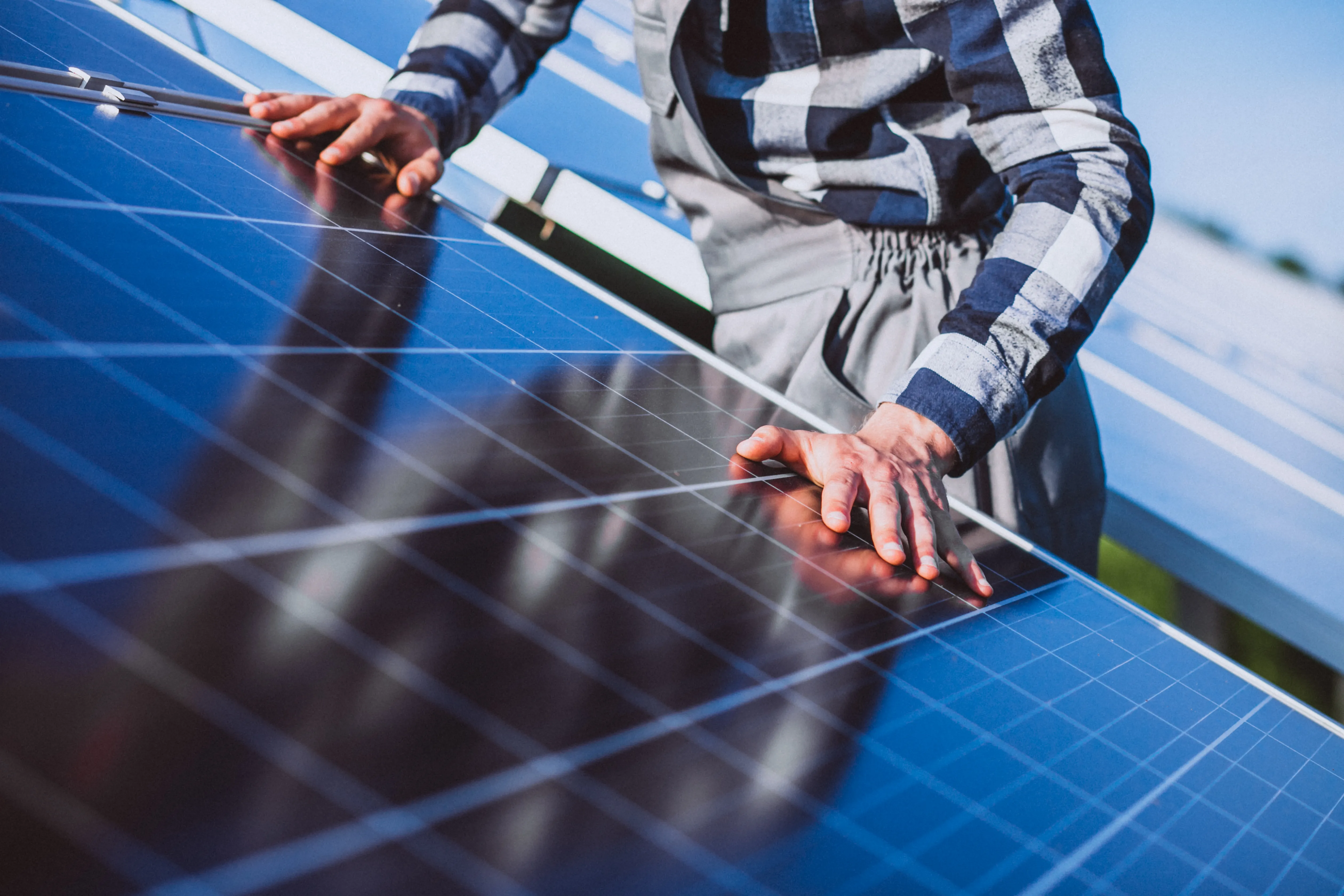
Solar PV has become the most popular entry point for Irish homeowners looking to reduce their reliance on grid electricity, and the reasons are straightforward. Panels have come down significantly in cost, installation is typically completed in a single day, and the savings on electricity bills begin immediately. The addition of a battery storage system extends those savings further still, allowing energy generated during daylight hours to be used in the evening when the sun is not shining.
Nationwide installers like GoKonnect Solar in Dundalk cover the full range of solar solutions including panels, battery storage, hot water diverters, and EV chargers, making it straightforward to build a complete home energy system rather than piecing together individual components from separate providers.
Heat Pumps and the Move Away From Oil
Replacing an oil boiler with an air source heat pump is the next logical step for many households, particularly as oil prices remain volatile and government incentives continue to make the switch more financially viable. When combined with solar panels, a heat pump becomes significantly more cost-effective to run, since a proportion of the electricity it needs can be generated on the roof rather than imported from the grid.
The Micro-Generation Support Scheme
One of the more significant recent developments for Irish homeowners is the Micro-Generation Support Scheme, which allows households to sell surplus electricity back to their energy supplier. This changes the financial equation considerably. Rather than excess generation simply going to waste, it generates a return, which improves the payback period on the initial investment and makes the case for solar even more compelling.
A Growing Market With Options Nationwide
The solar installation market in Ireland has expanded considerably, with quality providers now operating across most counties. Companies like Activ8 Solar Energies, which has been installing solar PV systems across Ireland since 2007, demonstrate how established and accessible the sector has become, with thousands of completed installations and strong aftercare support for homeowners long after the panels go up.
What Homeowners Should Do Now
The combination of falling technology costs, government grants, and the Micro-Generation Support Scheme means the financial case for solar in Ireland is as strong as it has ever been. For homeowners who have been considering making the switch, waiting is rarely the better option. Energy prices are unlikely to fall significantly, and every year without solar is a year of bills that self-generated power could have offset. The transition to a cleaner, more independent home energy setup is well underway in Ireland. The question is simply how soon to get started.