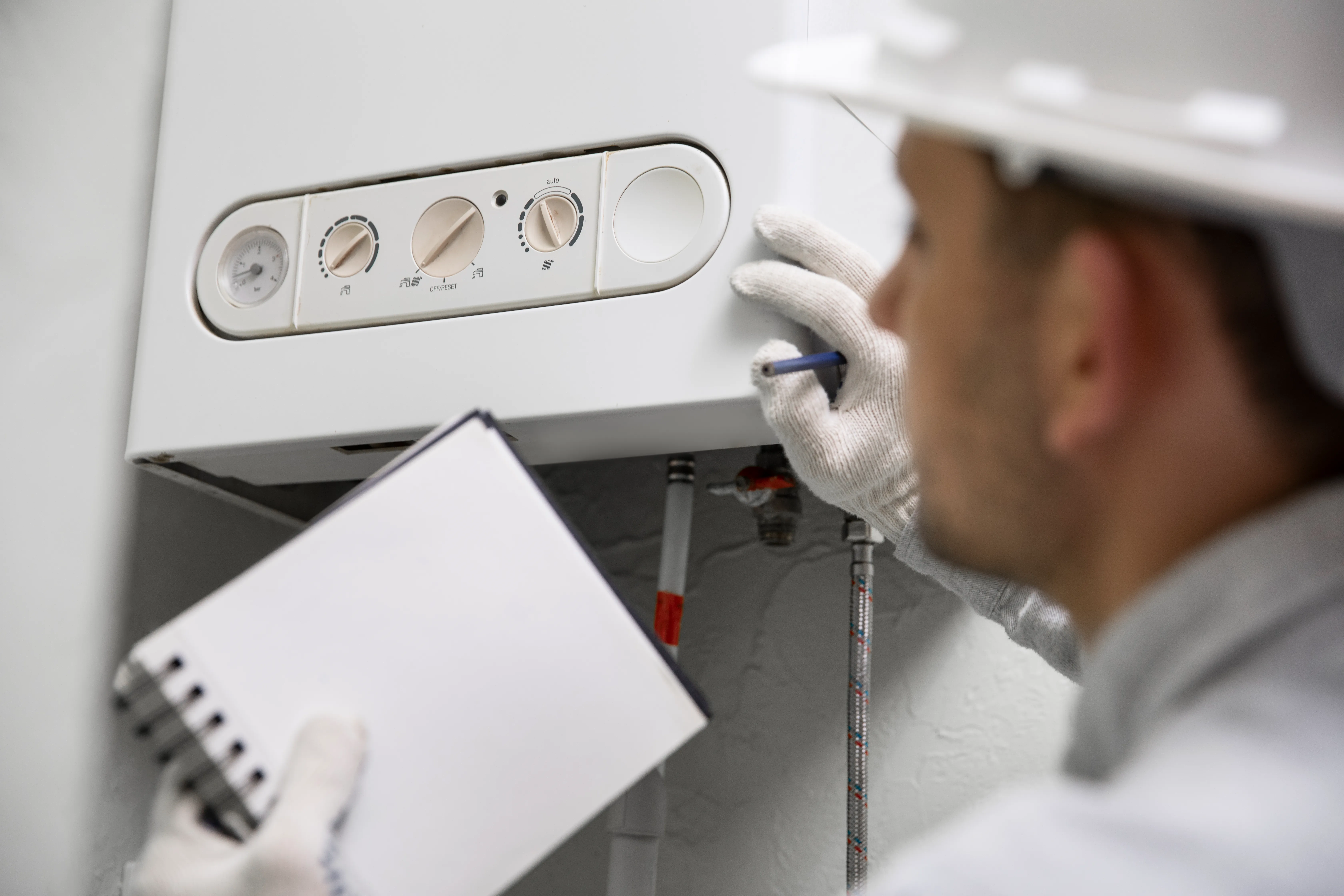
Choosing a new boiler is one of those decisions that feels simple until you start looking into it. Most homes in the UK run on one of three types: combi, system, or regular. Each works differently and suits different households, so what is ideal for a small flat could be the wrong choice entirely for a four-bedroom house. Before spending thousands of pounds on an installation, it is worth understanding what each option actually does.
Combi Boilers: The Compact All-Rounder
A combi, or combination boiler, heats water directly from the mains on demand and handles both your central heating and hot water in a single unit. There is no need for a separate cylinder or tank, which is why they are the most popular boiler type in the UK today. They are compact enough to fit inside a kitchen cupboard and tend to be cheaper and faster to install than the alternatives. The trade-off is that they can struggle to keep up when multiple people are using hot water at the same time, making them less suitable for larger households. If you live in a flat or a smaller home with one bathroom and two or three people, a combi is almost always the most practical choice. Local heating specialists like Burgess Gas in Lancashire can assess your home's mains pressure and hot water demand, which are the two factors that matter most when deciding if a combi is right for you.
System Boilers: The Better Fit for Bigger Homes
A system boiler works similarly to a combi in that it takes water directly from the mains, but it stores hot water in a separate cylinder rather than heating it on demand. This means multiple taps and showers can run at the same time without any drop in pressure or temperature, which makes it a far better option for homes with two or more bathrooms and a larger family. The downside is that you need space for that cylinder, usually in an airing cupboard, and if you run out of stored hot water you will need to wait for the tank to reheat. Installation is also a little more involved and costly than a combi. Engineers at companies like T S Gas in Berkshire note that system boilers are particularly well suited to newer builds and larger family homes where hot water demand throughout the day is consistently high.
Regular Boilers: Worth Considering for Older Properties
Also called heat-only or conventional boilers, regular boilers are the oldest of the three types and use both a hot water cylinder and a cold water storage tank, typically kept in the loft. They are rarely recommended for brand new installations today, but they make a great deal of sense if your home already has one fitted. Replacing like for like avoids the cost and disruption of rerouting pipework, and they perform well in properties with low mains water pressure where a combi would not cope. They can also be paired with solar thermal systems, which the other two types generally cannot. The Energy Saving Trust recommends that any new boiler installation, regardless of type, should be to a condensing standard with an efficiency rating of at least 92%, which all modern boilers now meet by law.
Summary
There is no universal right answer when it comes to boiler types. Combi boilers win on simplicity, space saving and cost for smaller homes. System boilers are the stronger choice for larger properties with higher hot water demands. Regular boilers remain relevant where one is already installed and replacing it like for like is the most practical route. The most reliable way to make the right call is to speak with a Gas Safe registered engineer who can look at your property, your existing pipework and your daily habits before making a recommendation.