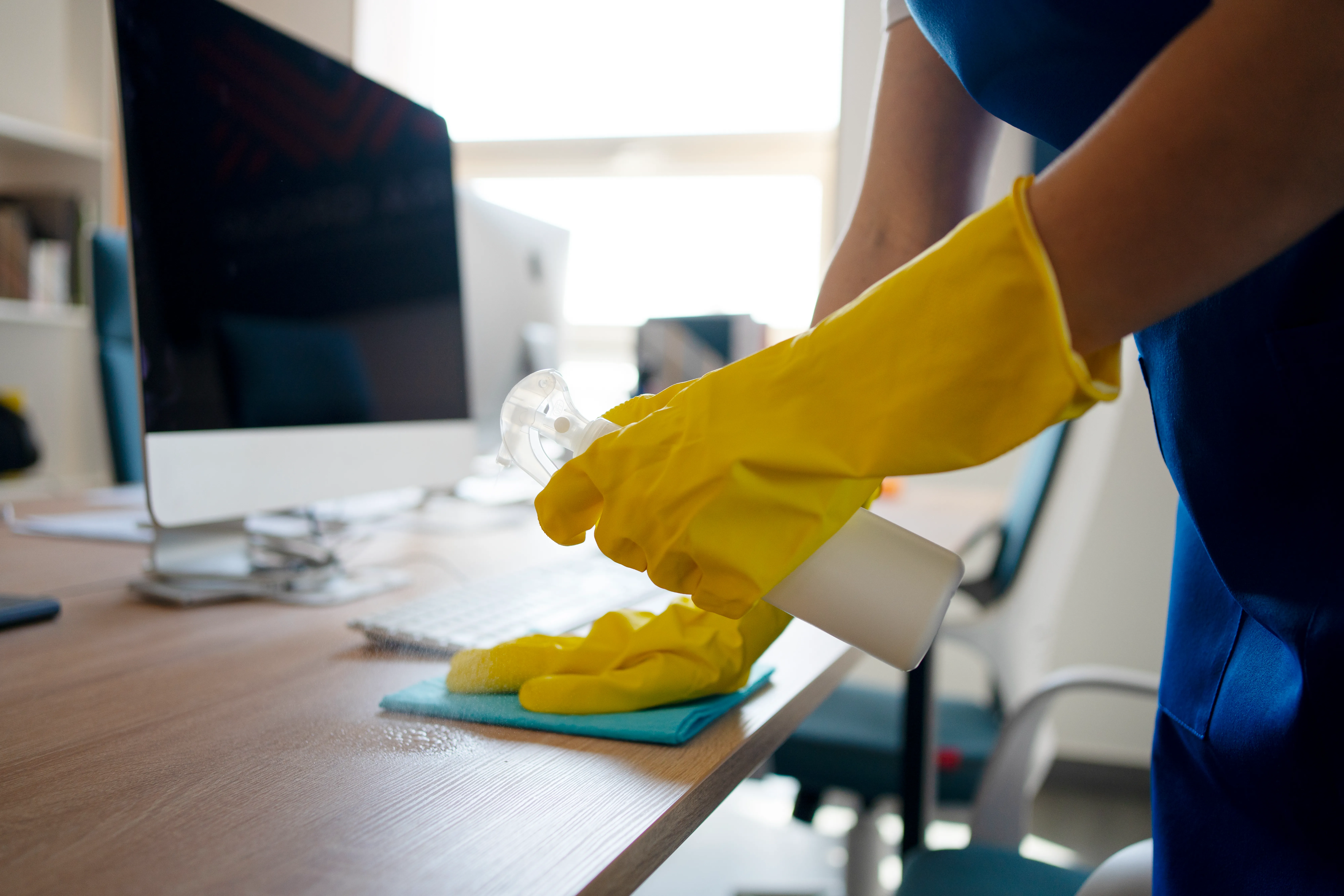
Most businesses treat cleaning as a box to tick. Something that happens in the background, noticed only when it isn't done. But the state of a workplace communicates something about a business whether the people in it intend it to or not, and the companies that take it seriously tend to see benefits that go well beyond a tidy floor.
The impression your workplace makes before anyone speaks
When a client visits your office, when a candidate comes in for an interview, when a new supplier walks through the door for the first time, they are forming a view of your business within seconds. That view is shaped by what they see. A clean, well-maintained space signals that the business is organised, that it takes pride in its work, and that it respects the people who come through its doors. A neglected one signals the opposite, regardless of how good the product or service actually is.
For client-facing businesses in particular, the physical environment is part of the brand. The meeting room, the reception area, the windows, the communal spaces; all of it contributes to a first impression that can be difficult to undo. Investing in keeping those spaces consistently clean and presentable is one of the more straightforward ways to make sure that impression is the right one.
What a clean environment does for the people who work in it
The effect of a clean workplace on staff is well documented. People work better in environments that feel cared for. Clutter, dirt, and neglect create a low-level background stress that affects concentration and morale even when people aren't consciously aware of it. A workspace that is consistently clean and well-maintained removes that friction and signals to staff that the business values the environment they spend their working day in. For businesses looking at the broader evidence on workplace environment and employee wellbeing, NHS publishes guidance on how physical environments affect mental health and stress levels that is worth reading alongside any internal wellbeing strategy.
Consistency is the part most cleaning arrangements get wrong
A clean office on Monday that has been left unattended by Friday undoes much of the benefit. The value of a well-maintained workplace comes from consistency, and consistency is where many cleaning arrangements fall short. Staff cover, holiday, and poor management oversight mean that standards slip without anyone being held accountable. For businesses that have experienced this, the solution is rarely a different product. It's a better-managed service.
Commercial cleaning contractors like Alliance UK operate across offices, schools, museums, and communal buildings in Hampshire and the surrounding area, with a focus on reliability as the core of the service rather than an afterthought. Their model is built around consistent coverage and proactive management, which addresses the most common reason cleaning arrangements fail in the first place.
The sectors where cleanliness carries the most weight
In some environments the stakes around cleanliness are higher than in others. Schools and nurseries where hygiene directly affects the health of children. Museums and public buildings where the presentation of the space is inseparable from the visitor experience. Healthcare adjacent environments where contamination carries real risk. In these settings, cleaning is not a background function. It is part of what the organisation delivers, and it needs to be treated accordingly.
Where to start if your current arrangement isn't working
If cleaning has become something your business notices for the wrong reasons, it's worth taking a proper look at the arrangement rather than applying a temporary fix. A well-specified contract with clear standards, regular oversight, and reliable cover for sickness and absence is the baseline. For guidance on what a professional cleaning specification should include, the British Institute of Cleaning Science is a useful reference point and a recognised standard that reputable contractors should be able to demonstrate familiarity with.