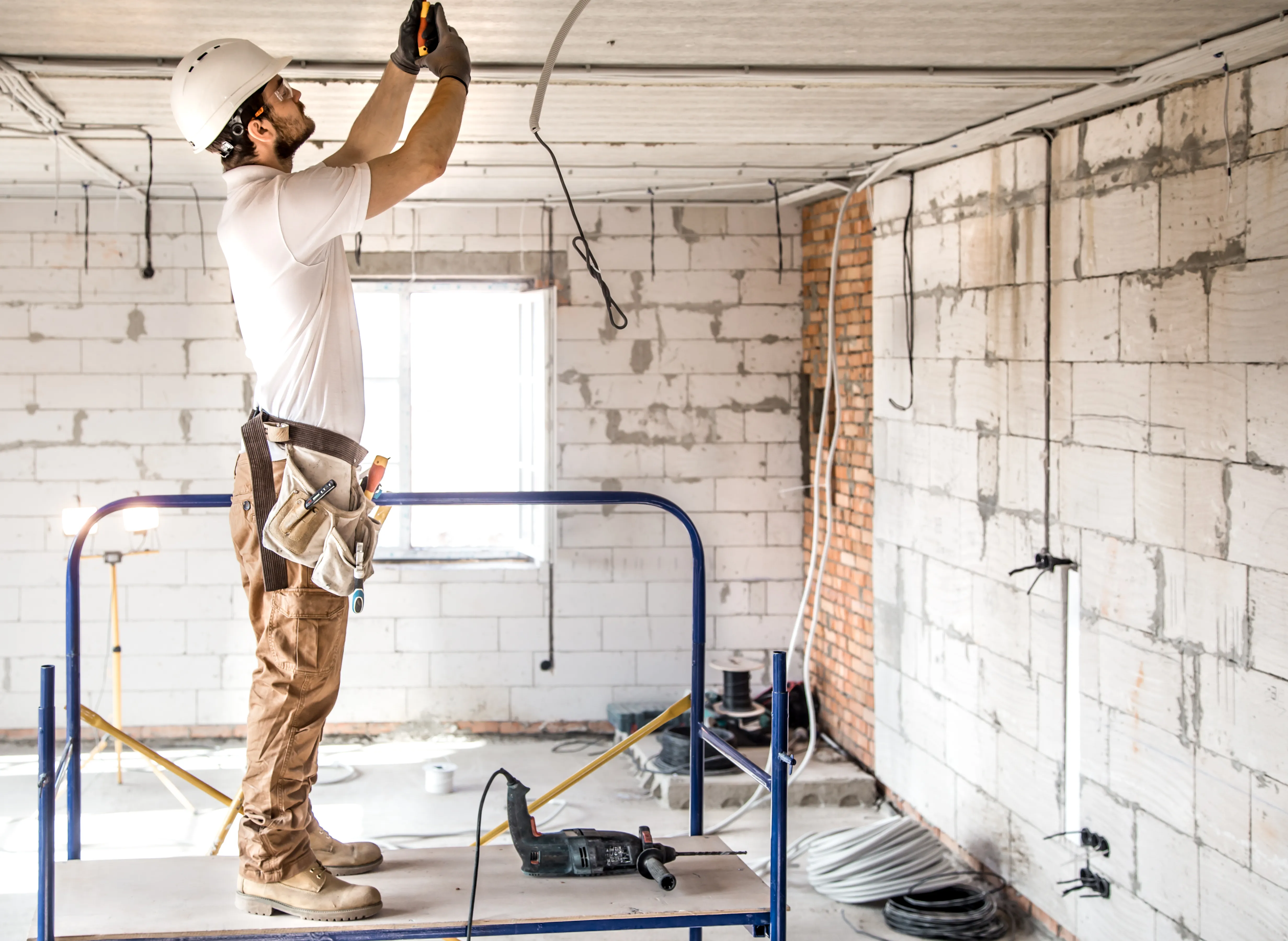
There's something undeniably appealing about an older property. The high ceilings, the solid walls, the sense that the building has a story to tell. But turning that potential into a comfortable, energy-efficient home is a different matter entirely. Renovating an older building is rarely straightforward, and the decisions you make early on can either protect its value for decades or cause costly problems down the line.
Those who have worked extensively in the field tend to share similar guidance when asked what homeowners get right, and where they go wrong. Here's a roundup of the most practical advice passed on through experience.
1. Understand the Building Before You Touch It
The most expensive mistake made in older property renovation is starting work without truly understanding what you're dealing with. Older buildings, particularly those built before the 1920s, behave very differently from modern construction. Their walls, floors, and roofs are designed to be breathable, allowing moisture to move through the fabric rather than becoming trapped.
Before any work begins, a thorough survey by someone experienced in older structures is essential. This goes beyond a standard homebuyer's report. You want to understand how the building currently manages moisture, where damp is entering, the condition of original timbers and stonework, and whether any previous improvements have already caused hidden damage. Historic England publishes detailed free guidance on caring for older and listed properties, covering everything from understanding building materials to navigating planning permissions in conservation areas.
2. Respect Breathability and Don't Seal the Building Shut
This is where many well-meaning renovations go wrong. Modern materials are instinctively aimed at sealing and insulating, which works well for new-builds but can be catastrophic for older properties. Lime plaster, stone walls, and timber frames need to breathe. Applying cement render or impermeable insulation boards forces trapped moisture through the structure itself, leading to rot, damp, and spalling masonry.
Frontline Construction are a South London renovation company offering a full range of residential and commercial services, from kitchens and bathrooms to extensions and full property refurbishments. With experience across a wide variety of property types, their teams understand how older buildings behave and approach each project with the care needed to bring them up to modern standards without compromising what makes them worth renovating in the first place.
3. Plan Your Budget Around the Unexpected
Every experienced contractor working on older properties will say the same thing: budget more than you think you need. Old buildings regularly reveal surprises once work begins. Uncovering a chimney breast, lifting floorboards, or stripping back plasterwork can expose deteriorated timbers, buried drainage issues, outdated wiring, or hidden damp that wasn't visible at the survey stage.
A sensible rule of thumb is to add at least 15 to 20 percent on top of your quoted costs as a contingency fund. This isn't money you expect to spend; it's a buffer that allows decisions to be made calmly when something unexpected comes up. Prioritise structural and weathertight work first: roof, guttering, windows, damp-proofing, and drainage. These aren't the glamorous parts of a renovation, but they're the ones that protect everything else you invest in later.
4. Source Sympathetic Materials
Replacing original features with modern equivalents is one of the fastest ways to strip character from an older property. Where original materials must be replaced, it pays to source sympathetic alternatives. Many architectural salvage yards stock reclaimed timber, period tiles, cast iron radiators, and original-style fittings that blend far more naturally into an older building than their modern counterparts. Not only does this preserve character, but it often adds long-term value that generic modern finishes simply cannot match.
For structural materials the same principle applies. Lime mortar rather than cement, traditional brick to match the existing bond, natural slate or clay tile where the roof needs attention. These choices keep the building working as it was designed to.
5. Work With Specialists Who Understand Period Property
Older buildings are a niche, and not every contractor has experience with them. A builder who is excellent at constructing modern extensions or fitting contemporary kitchens may not have the background needed to handle a Victorian terrace with the care it deserves.
When selecting tradespeople, ask specifically about their experience with pre-war buildings, ask to see examples of similar work, and ask how they approach damp in an old solid wall or what lime products they'd specify for internal plastering. The right contractor will have clear, confident answers and will likely flag risks that a less experienced team might overlook. Firms like HollandGreen, a heritage-focused renovation practice working across the Cotswolds and surrounding areas, are a good example of the specialist approach, where the emphasis is on preserving original character while carefully integrating modern performance. Finding equivalent local expertise is worth the extra research time, wherever your project is based.
Final Thought
Renovating an older property well takes patience, planning, and a willingness to work with the building rather than against it. The money saved by cutting corners rarely stays saved for long. But an investment made with proper understanding of how that building works tends to pay back handsomely, in value, in livability, and in the satisfaction of getting it right.