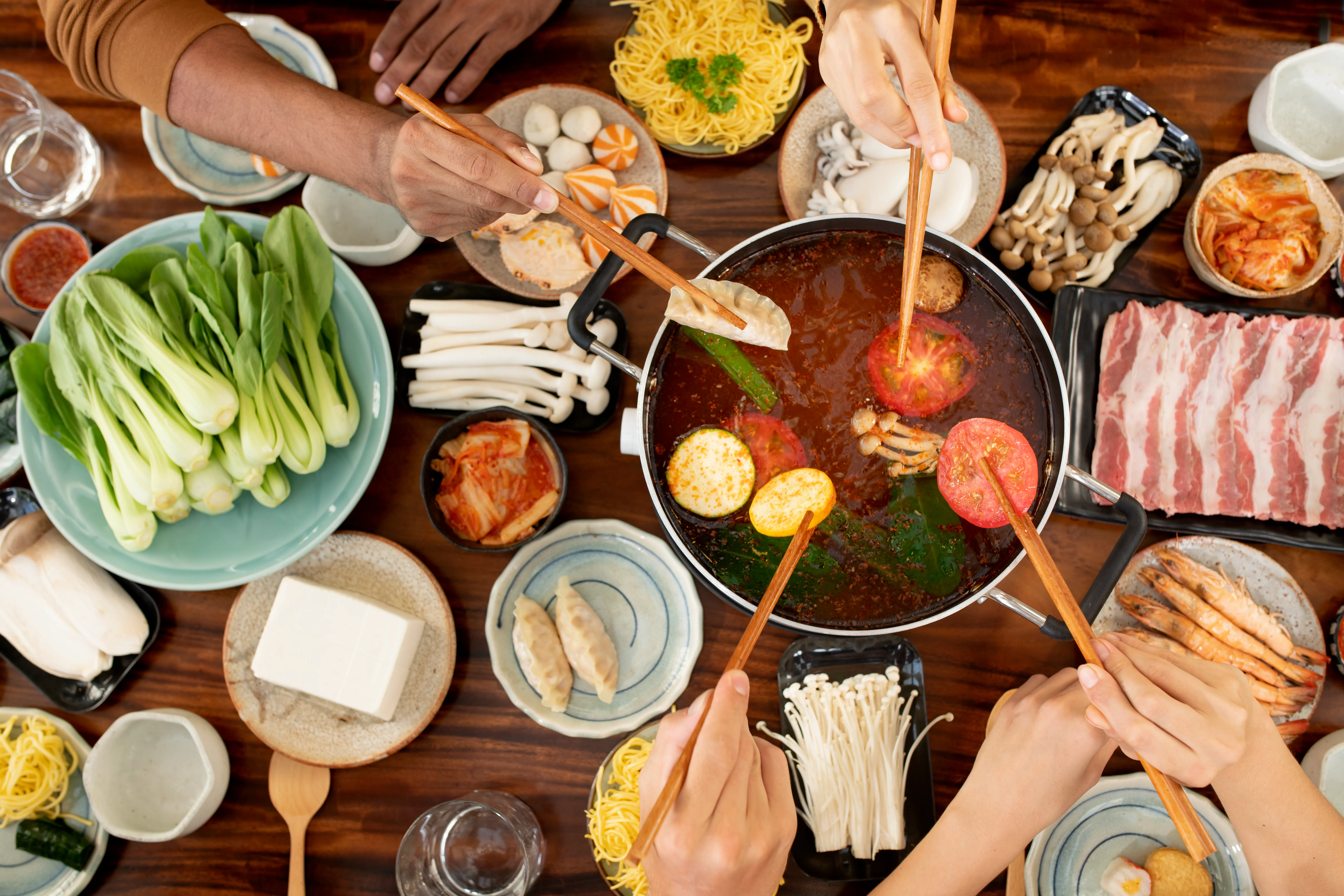
If you've never sat down to a proper dim sum spread, the experience can feel a little overwhelming at first. Small bamboo steamers arriving at the table, menus filled with unfamiliar names, and dishes you're not quite sure how to approach. But once you know what to look for, dim sum becomes one of the most enjoyable and sociable ways to eat.
This guide breaks down five classic dishes that every beginner should try and why they've earned their place on the menu for generations.
What actually is dim sum?
Dim sum is a Cantonese tradition of sharing small plates of food, usually enjoyed at brunch alongside tea, a ritual known as yum cha, meaning "drink tea." The phrase dim sum itself loosely translates to "touch the heart," and when the food is done well, that's exactly what it does.
The tradition originated in the teahouses of southern China and has since spread across the world, with the UK now home to some fantastic dim sum restaurants serving both classic and modern interpretations.
1. Har Gow (Steamed Prawn Dumplings)
Har gow is considered by many to be the true test of a dim sum kitchen. These delicate steamed dumplings have a thin, slightly translucent wrapper that should be tender but never sticky, encasing plump, seasoned prawns inside. There's nowhere to hide with har gow; the quality of the ingredients and the skill of the chef are immediately apparent.
If you want to see what freshly handmade har gow looks and tastes like, Fei Er Cottage in Westminster offers an unlimited dim sum experience where everything is made fresh daily, giving you the perfect opportunity to keep ordering until you've found your favourite.
2. Siu Mai (Pork and Prawn Dumplings)
Open-topped and usually garnished with a small dot of fish roe or a bright orange carrot, siu mai are one of the most recognisable dim sum dishes. The filling is a blend of minced pork and prawn, seasoned with ginger and soy. They're served in small bamboo steamers, typically in groups of three or four, and pair beautifully with a splash of chilli oil. If you'd like to try making them at home, BBC Good Food has a solid recipe that walks you through the process step by step.
3. Char Siu Bao (BBQ Pork Buns)
Few things in dim sum are as comforting as a freshly steamed char siu bao. These soft, pillowy buns are filled with sweet, sticky BBQ pork and have a characteristic slightly split top that signals they're cooked through. You'll also find a baked version, golden and glazed, but the steamed original is the one to start with. They're a reliable crowd-pleaser and a brilliant entry point for anyone new to dim sum.
4. Cheung Fun (Steamed Rice Noodle Rolls)
Cheung fun are wide, silky rice noodle sheets rolled around various fillings, typically prawn, beef, or char siu pork, and served with a light soy-based sauce. The texture is soft and smooth, almost melting as you eat it. Some restaurants also serve a version wrapped around a fried dough stick (zha liang), which adds a satisfying contrast in texture.
It's one of those dishes that looks simple but takes real skill to get right. If you're in Manchester and keen to try a well-executed version, Little Yang Sing in Chinatown has been serving classic Cantonese dim sum for decades and is well worth a visit.
5. Lo Mai Gai (Sticky Rice in Lotus Leaf)
If you're only ordering five things, make sure one of them is lo mai gai. Glutinous rice is packed with chicken, mushroom, and sometimes Chinese sausage, then wrapped in a lotus leaf and steamed until everything inside is fragrant and tender. Unwrapping the parcel at the table is half the fun. The lotus leaf imparts a subtle, earthy aroma to the rice that makes this dish unlike anything else on the menu.
A few tips before you go
Dim sum is typically served during the day; brunch and lunch are the prime times, and many restaurants stop the full service by mid-afternoon. Go with a group if you can, as sharing across four or five people means you can cover far more of the menu.
Pour tea for your fellow diners before your own cup, and if someone fills yours, a small double-tap of two fingers on the table is the traditional way to say thank you—a gesture that dates back centuries and still holds today. Most importantly, don't overthink it. Order a few of the classics above, work from there, and let the food do the rest.